This is an interesting question to be faced with today – while on the surface it obviously can be met with literality, as a writing prompt, it naturally asks more of us to sit down and reflect to write more. Or at least that’s how it reads to me.
My answer is twofold: the oldest thing I’m physically wearing is a pentacle. Previously exclusively my mother’s, now recently bestowed upon me to wear for a time. At least until it’s either recalled to her or something else comes to find me.
This one in particular is made out of thin silver, with a rainbow moonstone gem in the middle, wrapped by an intentionally off-colour tarnished snake. It’s a piece that I picked up for her around a decade ago when travelling in Salem, Massachusetts.
We used to live in MA during my early high school years, following behind my mother who was studying her PhD at university in the early 2000s. The memories made there are important stitches in my life’s tapestry. When not walking the halls of the Waltham Hawks though, my mother and I would often find ourselves up along the coast, about 30 minutes drive when traffic was good, walking through old cemeteries and archive buildings in the greater Salem area. While at the time I didn’t yet understand the value of those days, jokingly calling it child abuse to be dragged through graveyards on the regular –I now know it for the important work she was doing, shining truth on the history of the real people who lived through the infamous Salem witch trials.
I had grown up in a pagan household; while the rest of my family would consider themselves Lutheran, my mother was a practising witch herself and I spent many of my youngest days in the midst of a supportive coven. She herself also was an initiated Voodoo priestess (from before I was born), and a student of the craft both in spirit and in its history. I grew up surrounded by magic.
During those times, when not traipsing through graveyards, we often visited Salem proper and drank in all the pagan shops (tourist and traditional alike), savouring quality seafood, and being frequent riders of the Salem Trolley Tour. She made good friends with many of the practitioner-owners of the area, including the one that would a decade later, sell me the pentacle I’m wearing today (alongside the best ritually made incense I’ve smelled since childhood).
Around 2012 – 2014, was the aforementioned trip that my friend and I ended up back in Salem, MA after a trip to Washington D.C. and New York City. Prior to our arrival in Salem, but after our departure, my mother told me about a dream she had – describing this pendant. She had been scrolling through the website for Nu Aeon to give us a list to pick up for her — and there it was, this very one. It was a shock, but one very much in line with the kind of synchronous magic I’d learned about the world, tangible but miraculous in its own right.
She called the owner and after reminiscing discovered that the pentacle had been in storage for a long time. Prior to its inclusion on the website (long after we’d stopped living in the area and moved home to Canada), there would have been no chance that my mother would have ever seen it physically before. And yet, she saw it in her dream almost exactly as it was found in the tucked away boxes of that shop.
It was agreed that the following day I would pick up the necklace for her when we came to Salem, along with several other choice selections. And so so much incense – a handful of packages we still have with us over a decade later. She opened her doors for us on a day that Nu Aeon would have not otherwise been open – feeling too the call of the dream’s synchronicity.
I was given this pentacle after having my own dream about one. Despite growing up immersed in pagan life and largely participating in it as naturally as others attend mass, I’ve only recently started to embrace it more openly, rather than the quiet reverence I kept to myself and my ancestors. While the pentacle held in my dream is not the one I carry around my neck, it has its own story and significance. A story I add to every day its with me. I don’t know when the one that reached out through the dreamscape will reach me, but I’m grateful for the presence of this one while I keep watch.
When starting to answer this question I knew I felt a call to address not only the age of what I’m physically wearing, but also the stories I carry with me. The invisible tapestry stitched thread by thread by all my life’s experiences. While the oldest adornment I have on me today is this pentacle and its story – I also wear my tapestry. At least as old as the idea of me held in the heart of my mother before I was born, and everything that’s been stitched in since. Memories that echo in steps moving forward, in reflections of the past in objects that linger in our view; of a voice reaching from the position of everything that’s come before, beckoning the future to meet it in the brief space of present reality.
Some people may feel burdened by their tapestry, but I wear it proudly like a cloak. The gentle weight of a life lived, uniquely mine, growing more majestic and beautiful with each passing year. Some spots are worn, others were broken but mended — and I’m grateful for every stitch.
So I’m very late to posting on this prompt, but I made sure to save it when I saw the question earlier this month. After the rush of the ICGAN conference, I have returned to a hermit-academic mode and thus now seems like a perfect time to revisit this in earnest.
When I saw this prompt I was immediately flashed back to some unknown time in my childhood/early teenage years where, as any good philosopher-Sagittarius kid does, I was discussing with friends about how we understood free will.
I was pretty confident in my answer, and largely it hasn’t changed in all that time. I hadn’t really thought of it much in detail prior to this circle chat of friends, but it came out as if I had spent time researching on it. Perhaps somewhere on some leaking-through timeline I had.
“Goalposts”
“Goalposts?”
I remember grabbing a piece of paper to try to demonstrate my understanding – it ended up looking like some sort of path through an invisible maze.
“Basically, we all have goals we have to achieve in life, certain doorways we eventually have to cross through. No matter how many different paths you take, in whatever direction, or for whatever time…” I drew a line going in all kinds of loops and paths, crossing through some goals on the paper earlier on, before looping back and going through others nearer the start of where my pencil had hit the page. “…you eventually have to go through your destined goal posts.”
It seems overtly simple, in retrospect, and yet I still think I largely believe this is true.
As we move through life, there are things we encounter that we either run from or run towards — things that change us, shape us, or catalyze something within our lives or those around us. Sometimes they manifest like cyclical lessons; dating the same archetypes of people over and over again, or finding yourself in the same work-culture dynamics. Other times, moments feel really big that otherwise don’t seem like they should be as impressed upon us as we feel them to be.
My journey through preparation for the ICGAN conference, from January through to earlier this month. Each step was small, but I felt the goalpost getting closer, like Atreyu walking towards the Southern Oracle. The fear of his experience with the first gate dancing in his eyes as he flickers between the faces of the statues, and yet, a different path is had here. Here, following the trials and tribulations he receives his reward, essential knowledge for his greater journey.
I too felt that familiar fear creep in leading up to various conference deadlines — some latent expectation that I would be struck down if I didn’t pass the test ahead. I was anxious, I was struggling to put words to paper, and I was oscillating with periods of self doubt that I could do it at all.
But, like Atreyu, I pushed through the gates anyway. I talked to my peers, to my mentors, and I reflected back on all the work that had been done already. I was confident in what I knew, in what I’ve studied, but I was struggling with how to translate that to the audience I would be presenting to. It felt so big that I was letting it cloud what I was there to do. Then my supervisor told me, “You’ve already won, just be yourself.” (where winning was getting accepted in the first place). And he was right. Somehow that little phrase, that burst of energy, was enough to have me rush through the first gate before I was struck down at the beginning. It worked because I knew, deep down, he was right.
That rightness as it happened went deeper than just support given in a time of need. It re-ignited a fire that had been with me since beginning of this process, that I had such a strong feeling about; I was approaching one of these goalposts.
As much as my emotions took me on a rollercoaster, there was the underlying track that kept me grounded. That in many ways this was inevitable. I knew I would not give up —for better or for worse I would stand up in front of the conference and speak to something regardless of how good it was, I knew that I was on the ride. You can’t get off mid-coaster1.
The closest I think I’ve come to seeing this experience in the wild, and what came to me a few nights before the presentation itself, is the concept of “fixed points in time” from Doctor Who. Moments in time that you can’t change, that are inevitable, that need to happen (in some fashion). They can’t be altered – but they can sometimes be circumvented (sometimes even causing the events to occur in the process of trying to circumvent them – e.g. Pompeii). The Doctor claims to be able to feel or know when things are fixed or not, and following this concept of goalposts it kinda makes sense to me.
Perhaps it’s just the vast quantity of Doctor Who I’ve been watching these days, including tracing back to the very beginning, that’s shaping where I’m ending up here, but suffice to say I do believe in a kind of destiny or fate. But aside from very specific instances, we often have control over how we get there or how long it takes us. Some goalposts we decide to take down, others get erected by choices that we make, but their existence persists because they existed in the first place.
Maybe it’s the lessons we need to learn, the patterns we need to master that creates them. Perhaps it’s the domino effect from certain atoms coming together and reflecting off into predictable directions. Maybe it’s a big game we’ve all logged into with a certain set of quests in mind that we don’t remember —maybe it’s just that we make our fate ourselves with every choice we make. Our destiny, our fate, is literally written every moment by where we put our attention — something we feel our way through the best we can.
“Every great decision creates ripples, like a huge boulder dropped in a lake. The ripples merge and rebound off the banks in unforeseeable ways. The heavier the decision, the larger the waves, the more uncertain the consequences.”
– 7th Doctor, Remembrance of the Daleks
I mean, you can, but in most cases you probably shouldn’t or wouldn’t…that’s a different journey for this metaphor. ↩︎
Over the past few months in light of the COVID-19 pandemic, I can’t help but feel like there’s been an increasing awareness paid to community. What it means to be part of one, how do we come together as one, how do we build one in an increasingly digital age?
So many questions that people are now asking themselves as though they’re waking up from a haze. For so long people have been going through the motions of life and only truly living in the wisps of what community is supposed to be. People love to blame the internet and social media for destroying historical meanings of what it meant to be part of a community—but many of these people have ceased to evolve to see what modern day communities are actually like.
Then COVID struck. Slowly, then encapsulating the world. With the physical spaces we used to gather no longer being accessible, people fled to the internet to try and make whole the social spaces they were deprived of. The very people who claimed that these spaces were the death of all community are now struggling to try to figure out how to use the internet as the vast saviour of all things social.
And yet, they still don’t understand.
Now that I’ve passed into the post-comps-dissertation-writing-I-swear phase of my PhD, it’s hard to not see things align in an eerily timely and useful way. While I write about gender and power dynamics for my dissertation, I’m effectively writing about how communities are built and developed online. How their ideologies are developed and perpetuated; how we make meaning in digital spaces. As my academic mantra has been for a while: People, Technology, Culture.
I’ve had the pleasure of receiving a series of graduate research scholarships to develop a community for the UW Games Institute from the ground up in a digital space—predating the COVID epidemic, but accelerated in kind by its appearance. I’ve had in-depth experience with thinking through how to build the culture we want to have, and how to reinforce the culture we already had, through an entirely virtual medium.
This has given me new perspectives not only on how simple it can be to consciously choose the framework you want a community to develop around, but equally how easy it is for people to overlook the simple things that can easily breed discontent and toxicity if overlooked.
As per usual, this is going to come back to World of Warcraft (shocker, I know). I spent the morning talking to my current GM of HKC, whom I’ve known for over 13 years now. We talked about our community, the world of gaming culture, and most notably, the recent scandal with Method.
This scandal sadly has come at no surprise to me, as one who researches within and participates heavily in the competitive gamer world. The stories relayed through this news blast aren’t unique—in fact they’re far more common than many want to believe—but the more these stories come to light, the more…hopefully…we’ll come to see a change in the gaming “community.”
I’ve been lucky that I learned to navigate these worlds earlier, and have surrounded myself over time with people who support the kind of virtual space I want to be a part of, but many aren’t so lucky. That spine, was an important part of my conversation today. We have a strong and long-lasting community within Hello Kitty Club. But despite our size, we aren’t free from risk of drama (nor have we not had our share of it in the 10+ years I’ve been a part of its leadership).
HKC BlizzCon 2019, HKC + Friends through the years (when we each joined Blizzard, approximately)
What struck me today was the willingness to work towards creating systems to stop, acknowledge, or offer recourse for situations in the same wheelhouse as what happened with Method (and others) before they even start. We aren’t some international gaming juggernaut, and yet, the importance of creating safe spaces for all members of your community, is no less important to us.
Over the years, there’s a reason why people keep coming back to HKC. Many guilds rise and fall. People disappear without a word. But for some reason, people keep coming back to us and remember us long after we’ve parted ways (or changed servers), and I can’t help but keep coming back to the question of community. We’ve evolved over the years but there’s something about our core, our attitude, our values that seems to strike a chord with people. Something we hope to soon put to writing to ensure that that energy can continue to thrive beyond the current leadership.
I mean….let’s face it, we might leave this game eventually right? (*awkward laughter*)
In the meantime though, I’m proud to be part of who HKC is today. We acknowledge our own missteps in the past but equally are learning from them in order to build a better community in the future. Even if it’s just in our one small corner of the Discord & Azeroth universes.
HKC BlizzCon 2019, closing ceremonies
#GamerGate, Tech industry sexual harassment leaks, #BlackLivesMatter, #MeToo, and through this current Method scandal. All of these things happen everywhere, across the globe, but they are changed systematically at the small community level.
We work together to fight intolerance and misconduct at a local level and it can have a rippling effect that spreads across the whole of the industry. It’s human nature to gravitate towards what others are doing successfully. We must continue to fight, no matter how helpless it may seem by learning about these big-news items.
All news is local news, and the biggest of scandals start with the smallest of problems.
Build your communities with care and you’ll see them grow. Let them populate unchecked and you’re just setting yourself up for disaster. I’m sure Method meant well, but at some point you need to let go of old ways, evolve, and stand up for what’s right.
Change is an individual choice. Choose to build better communities, adopt more inclusive values, choose to listen to others.
Choose a better future by acting as though it were already here.
On August 13th (or 14th depending on where you were in the world) at 6pm EDT, Blizzard Entertainment released the latest expansion to World of Warcraft–the seventh expansion to be released for the nearly fourteen-year-old game. While WoW may be nearly thirteen, the Warcraft franchise itself is nearly twenty-four, as Warcraft: Orcs & Humans was released in 1994. As one of the longest-running MMOs, WoW and its universe clearly has to be doing something right.
In order to tie everything we’ve talked about so far together, I’m going to end by looking at the success of World of Warcraft not only as a game, but the ways in which they engage with their players in order to ensure success and account for the possibility of failure. Rather than only doing one or two things right, World of Warcraft is in fact, doing a lot of smaller things right, so that when failures come (*cough* Warlords of Draenor *cough*), the game continues to survive.
As I mentioned in the second content post of this series, I’ve been playing World of Warcraft since the early months of 2007. Eleven years of content, of characters, and of social situations, and yet, I continue to come back, why? Probably for the same reasons everyone else does–Blizzard has gotten me successfully engaged.
One of the first areas I noticed the depth of my emotional and psychological investment in Azeroth was when I was faced with having to switch factions last year. While I have played both sides of the faction divide over the years, I’ve always only played seriously on the Alliance. My first characters were Alliance, and most importantly, my now-main character was Alliance.
A Draenei restoration shaman, to be exact.
I swapped to my Draenei shaman not too long after learning the ropes of the game. By the time Patch 2.3.0 launched in November of 2007, I had gotten my bearings and was actively clearing raid content with my original guild. After we eventually got into Zul’Aman, the raid launched with 2.3.0, it became apparent that we would need a specific kind of class in order to complete it. That class was a restoration shaman. I offered to swap classes from warrior and never looked back. Suffice to say, my main character Shebalo and I have been through a lot, and she’s become an an extension of myself more than I had realized.
After re-rolling to a healer class, my ambitions soared. I got involved with more difficult content, and eventually joined Hello Kitty Club, who I’m still with today, after a lot of on-and-off periods. During one of those off-periods last year, I was part of a splinter group from HKC. We were comprised of the most ambitious and skilled of our raiders, who ultimately decided that the only way we could continue to progress through current Mythic (the highest difficulty) raid content was to swap to Horde on Akama, where there would be more bodies to recruit. Many of my peers easily made the change, quickly swapping to whatever Horde race they decided fit them best.
I, on the other hand, struggled. And naturally, thanks to running my Twitch, I recorded it. And so, for a very brief period of time, I was a Troll restoration shaman.
It never quite felt right, and the emotional turmoil I went through to swap sides, is visible throughout the two-hour plus highlight video. I felt my emotions welling up as I tried to transfer, bought the wrong transfer, ticketed Blizzard to get the right transfer–all the while dreading what I was about to do. It wasn’t just about leaving my guild home, it was going against my very in-game identity to become the opposite side.
In that moment, Azeroth was a very real place (Ruch 2009). It was not simply a place filled with pixels where I passed through. It was a place I “lived” in, a place I experienced the passing of time through, it was very real.
While I never really participated in roleplay within the game on Shebalo, over time, I built a headcannon about her movements through Azeroth, about her place, my place,in the community and the world. We were one in the same, and much like my aversion to playing Renegade Sheppard in Mass Effect, so too was I against playing something I didn’t feel to be me.
Despite a lack of active roleplay, I did (and continue) to consider how my character might react given in-game situations. In particular, during the last expansion Legion, players were finally able to visit Argus, the former Draenei homeworld. Naturally, when this first launched, I was still playing on the Horde and it felt as though something was missing. When Argus had been announced at a previous BlizzCon, I had already started to think about what it would be to “return home” as my character. As a Troll, this no longer applied.
What this suggests is that the avatar is neither entirely “me,” nor entirely “not me,” but a version of me that only exists in a particular mediated context. When that context, and with it the avatar, ceases to be, that part of the self dies as well. That part of the self, expressed and projected through the avatar in a shared virtual world, is as much a creation of the group as the group is a creation of the individuals within it (Pearce 119).
I went through many crises of identity while playing Horde side on my main character that truly demonstrated to me just how much I had invested not only in the game, but also who I was in the game. When I finally switched back to Alliance, everything just felt right. I quickly was able to re-select the face and attributes of the model I had used for so many years (with backup screenshots just in case).
Heading into Battle for Azeroth, I don’t think I could have had it any other way.
For the Alliance!
My time spent on Shebalo wasn’t just about my own relationship with my character, but also with my community. As I discussed in the previous post, I was lucky to find such long-standing friendships through Hello Kitty Club. Not only did we experience the rise and fall of our raiding progression (Juul 2013), we also spent extensive time exploring the virtual-physical world of Azeroth together, well into the late hours of the morning. Blizzard is well-known for including reclusive Easter Eggs, abandoned content, and memorials throughout their games (Gibbs et al. 2012), WoW being no exception. While we explored the world, we learned about the game and each other. We were able to interact without the chaos of raid combat, and friendships increased.
Over time, people have come and gone from our guild, but there’s a large core that’s remained the same. We interact on various social medias, and over time, have repeatedly brought each other back into the game. Beyond the itch to play, the promise of social interaction with a known group of engaged individuals, helps to keep us engaged in the content.
Our stories are not unique, and in truth, it’s probably one of the biggest features that keeps World of Warcraft so popular over time. So long as your social group stays, so too are you likely to as well. Combined with guild meetups and bringing virtual friendships into the tangible space, things become even more real and engaging. Conversely, if you only play alone, or have lost touch with the friends you used to play with, the draw to stay in Azeroth is likely lessened. The “massively multiplayer” component is not only important from a gameplay perspective, but also affects our engagement with the world. When the novelty wears off, when you can’t possibly fathom running your face into the same boss for another week in a row, friends and social experiences keep you engaged. Because of this, over the years, even in the recent Battle for Azeroth expansion, Blizzard continues to strive to increase friendship and community engagement.
World of Warcraft also succeeds at keeping players invested in line with the Sunk Cost Fallacy. After nearly fourteen years of running, it’s hard for players to turn away from their digital investments. Astonishingly, it’s also probably how World of Warcraft has retained their subscription fee, while other MMOs continue to drop theirs. Like an un-used gym membership, I have known countless people over the years who retain their WoW subscriptions, even when they play rarely-to-never, “Just in case” they want to return. It’s not even just subscription fees, the cost of accumulated expansion costs, in-game services (server transfer, faction transfer, race change, etc.), memorabilia, paratexts (novels, table books), and virtual goods (pets, mounts, etc.) are compounded into the real-world costs and fears of value loss.
To further encourage people to invest in their time with the game, Blizzard has also offered alternative sources of funding like the WoW token, which can be bought and sold with real money, for in-game currency, and vice versa. This has allowed people to invest more time into the game, by accumulating digital wealth, so that they can spend it on “real-life” costs, like subscription fees and Battle.Net currency for other Blizzard games.
Blizzard also continues to update the base value of the game, so that it is affordable for new and returning players. In July, they announced that new and returning accounts would be able to play all the way through Legion content with just a subscription. No longer are players required to buy-in to the game, or its previous expansions. Instead, the entire world of Azeroth is available to players up and until the most recent content, Battle for Azeroth. In this way, Blizzard capitalizes on existing players’ social capital, as well as WoW’s reputation as an MMO, to encourage new players or returning players to re-invest in the virtual landscape.
Finally, one of the ways in which Blizzard continues to enrapture their audience is through their extensive worldbuilding and storytelling. Not only are there the narratives which occur within the Warcraft games, but Blizzard also releases paratextual books, audiodramas, cinematics, and comics to expand their world.
World creation has become a core feature of many recent digital games, and this fits hand-in-glove with the generic features of fantasy; the carefully crafted, extensive worlds found in massively multiplayer role-playing online games such as Guild Wars, EverQuest II, and World of Warcraft offer players the opportunity to inhabit such worlds wherein they play and interact with others in the guise of heroic adventurers. It can be said that most popular cultural artifacts are reliant on intertextual features for the generation of meaning and recognition…these [contribute] to the high-fantasy ambience of the game, even if at times more quotidian aspects come to the fore, and provides in different ways the means of locating players meaningfully in the game world (Krzywinska 123-124).
Alongside the game’s paratexts, the world itself is filled with extensive quest-text, cut-scenes, cinematics, flavour text, lost pages, monuments, memorials, and Easter Eggs to discover. The cities are busy with NPCs (and ideally players as well), and increasingly lively, as Blizzard continues to make NPCs more immersive, including models, postures, and voice acting.
Further still, painstaking detail is put into not only the textural features of the world’s story, but also in its audio-visual aspects as well. Vast sweeping landscapes, digital sunsets, fanciful festivals, and haunting melodies encourage players to explore and to stay a while. There’s always the suggestion that there’s just a little bit more below the surface–some rare secret you might just get the chance to discover. There’s even an entire discord community devoted to just that prospect.
All of these contributing factors combine to keep World of Warcraft not only afloat, but sailing through the vast sea of other MMO efforts. In a genre that’s largely perceived of as dying, or at least who’s future survival is constantly questioned, Blizzard continues moving forward. In addition to the areas covered here, they also continue to innovate and improve upon game mechanics, player quality of life features, and storytelling ability. It raises the question, if all of this is not only the reason for their success, but also demanded by our current video game marketplace. The ability to hook and maintain investment of such a large segment of the globe for nearly fourteen straight years is an impressive feat.
Blizzard’s ability to continually engage with and emblaze their World of Warcraft community members is readily demonstrated through their cosplayers, Role-Players, fan-writers, community leaders, and gaming participants. How many other games do you know of that start real-life virtual protests of a fictional characters’ actions, thanks to another fictional character’s rebellious actions? Further still that the #NoHonorNoPauldron movement even charged-up players who don’t play anymore?
Whether it be a calculated advertising tactic, brilliant storytelling, or just dumb-luck side effects of a highly effective gameplay experience, Blizzard’s ongoing development of World of Warcraft and it’s virtual universe shows no signs of slowing down anytime soon. They’ve survived a number of setbacks, but they continue to push forward and to learn from their mistakes, thanks to their successes in encouraging multi-faceted levels of player interest and emotional investment in Azeroth.
Perhaps the most obvious way that players are drawn into video games is the development of their virtual worlds. Implicit/explicit storylines, graphic design, music, narration, voice acting, game mechanics, character development, and so much more. The components that go into building our gaming worlds are as complex and diverse as the genre conventions that seek to govern them.
We need an understanding that can assess the materiality of play as much as that of the ideas or the objects themselves. A game can produce meaning or, perhaps better stated, experience. But what kinds of experiential meaning can games generate, exactly?…Art and games are not anything unto themselves. The experience of an artifact is contingent on so many factors outside the control of the object itself, let alone the artist or designer: historical context, situational context, the prior experiences and knowledge of the individual, and so on. There is no set way for a game to unfold or for play acts to be performed. The space of possibility within a game is all potential, a potential realized through play (Sharp 105-106).
While traditional storytelling may be able to paint a world for our minds, giving us something to see (in some cases like Lord of the Rings, they do it exceedingly well), video games actually take us there. While Sharp goes on to make the argument that some games are more “artful” and complex than others, I would instead suggest that all video games are as complex as the players who play them. While the simplistic narrative and world of the early Super Mario Bros (1983) cannot compare to the depth of the more artistic and polished Braid (2008), it doesn’t mean that they don’t still have this “potential” for artful engagement. In the empty spaces of the world, of the narrative, left by developers, players will build in their own stories.
Not all games enthrall their players with fanciful explicit narratives or plotlines to follow. Instead some, like Overwatch, tell their stories in the background and in paratext (Genette and MacLean 1991). Through this subversive storytelling, Blizzard Entertainment has continually hinted at what would-be upcoming hero releases and inclusions into the existing game. The ever-evolving landscape of Overwatch facilitates this kind of artistic engagement. Players develop their own theories and their own narratives to bridge the gaps until Blizzard decides to fill them. Sometimes they even guess quite correctly. Alongside the maps and flavour text of this FPS online game, Blizzard also releases comics and video shorts to fill out the world and their story. They have even included two specialty seasonal game modes which allow players to play “Overwatch Missions” from the past. These actions by Blizzard help to ensorcell their playerbase in a realm of narrative intrigue. Fans also are heavily involved in creating art, fictions, or cosplay to further explore Blizzard’s world. In this way, they are enraptured by one another, and are building Overwatch together.
Alongside the divide between explicit or implicit storytelling, developers also continue to incorporate player decision and consequence into narratives for a new way of gaining their attentions. Consequence chains in games like Mass Effect, Fable, The Walking Dead, Skyrim, and Undertale shape not only the story being told, but also pose the player as an active agent within it. Even though decision trees are still very much part of a procedural progression (Bogost 2010), they give the illusion of control in the worlds they come to. The most successful of these is perhaps not explicit narratives like those mentioned above, but is instead better demonstrated by games like The Sims. I looked into this somewhat in my previous post on modding The Sims, however, in the context of player engagement, The Sims is the epitome of potential play at work. The Sims from the outset is practically a blank slate. The dollhouse ready to be played with.
While there are some story features to breathe life into the world, especially in later versions of the game (including decision trees for walks through the Wharf with your favourite pupper), the largest part of the storytelling in The Sims is done by the player. Even if the player does not actively consider the story, or the world they are building, they are still participating in its creation. Every Sim made, every house created, every simoleon spent–they are enacting the world in every stroke. Mod creators go so far as to extend the world, in a way that may parallel how fanfiction or fan art relates with more traditional narratives. These things get complex. In a game like The Sims, the only real limitations are those of your imagination. All the game platform really does, is to facilitate the world you want to create. Perhaps that’s why it’s developed such a following, and why creation-sim games are amongst the most common best-selling PC games of all time.
Giving players the option of choosing paths in gameplay narratives, engage not only their minds but also their emotions, further enhancing their immersion in the game’s world.
Curious about the outcome of ill treatment, Wright began to slap his creature—then was astonished to find himself feeling guilty about it, even though this was very obviously not a real being with real emotions. This capacity to evoke actual feelings of guilt from a fictional experience is unique to games. A reader or filmgoer may feel many emotions when presented with horrific fictional acts on the page or screen, but responsibility and guilt are generally not among them. At most, they may feel a sense of uneasy collusion. Conversely, a film viewer might feel joyful when the protagonist wins, but is not likely to feel a sense of personal responsibility and pride. Because they depend on active player choice, games have an additional palette of social emotions at their disposal (Isbister 8-9).
Alongside story development and narrative, graphics and musical scores comprise one of the key ingredients to video game immersion and engagement. Video game soundtracks and ambient sounds in particular seem an essential part of our gaming experience. Their intentional inclusion or exclusion can illicit a wide array of different responses in players.
The audio soundscape [of Waco Resurrection] enhances the player’s visceral immersion in the experience: at different points, the player hears FBI negotiators, battle sounds, even the voice of God. The artists included audio recordings that FBI agents played to disorient the actual compound members when they launched their assault (i.e., the sounds of drills, screaming animals, etc.) (Isbister 14).
I’m sad to say that, despite its importance in evoking emotional and visceral responses, this is one of the only mentions within How Games Move Us that discusses the importance of the soundscape in gameplay immersion. While graphical representations are important for connecting to our avatars and actually walking through a world, these are features that our minds can often fill in. It is the music and soundscape which truly draws players in, often without them realizing it.
The immersive importance of game soundtracks and sounds is easily observable in the popularity of symphony tours like Video Games Live(above), Distant Worlds (Final Fantasy), or the Kingdom Hearts Orchestra World Tour. Video game music is designed to immerse us in what we’re doing, but not distract us from the task at hand. When relevant, it crescendos and brings us to our knees, never realizing the music that brought us to this breaking point.
For example, take the ending of Kingdom Hearts 1. While the theme song is found in various forms throughout the game, its placement at the ending is specifically to draw together all of the emotional buildup from the game and grab the audience one last time. Its lyrics are given greater meaning. It comes after a period of no music, following the dialogue of the protagonist and one of his best friends, as the worlds start to re-materialize around them, diving them on different shores. The song cuts in, just as their hands are ripped apart, the song continuing to play through the epilogue of the game’s emotional journey of friendship, light, and darkness.
I played this game at a very impressionable time in my life, at some point in high school. The game’s story and world had me wrapped in and obsessed for a long time, and arguably I still am, as I sit writing this in front of a full-scale replica keyblade (the game’s primary weapon). I lapped up all the information in the game as I could, side scraps of journal entries, secret cutscenes–as well as information outside of the game, Japanese special scenes, press releases, and most importantly, the soundtrack. I listen to the theme song from Kingdom Hearts 1 quite frequently, the same version that the game ends on. Listened to in this context, it provides nostalgic memories and warmth. However, after experiencing the emotional buildup of narrative, gameplay, and progression through the story, after reaching the crescendo of their hands being ripped apart, I cry every single time. The music alone is not to blame, but rather the journey and music paired which elicits such an emotional response.
Recently, I went to see the Kingdom Hearts OrchestraWorld Tour at the Sony Centre in Toronto. This scene played twice on the screen over the course of the concert. Once, near the beginning, it was part of a montage which included parts of this song. There was no emotional build up, no immersion to cause a response. However, they played the orchestral version of the theme song again in the epilogue/encore of the show. By this point, they had taken us through a large number of story beats through videos and synchronized symphonic song. They built us up to it. While the visual alone was not enough to send me into that emotional place, the build up of the music over time, was.
I left the theatre with weepy-eyes, having never touched a controller at all.
We’ve established every freedom we need in order to play well together. We know we can be silly when we want to, serious when we have to. We even know that we don’t have to do or be anything at all. But it’s different when you have to spend money for it. Even if you are only buying a game. It’s hard to take back. After all, that’s how games are sold. That’s how money is made. You buy it, and, baby, it’s yours forever (De Koven 105).
In more ways than one, money and time are huge factors in discussing how players engage with video games. There are obvious areas like barriers to games due to monetary reasons, or a lack of willingness to spend out of fear of lackluster content, but the reality runs much deeper.
The concept discussed in the De Koven quote above, is particularly interesting in light of the newest crackdown on ROMs and emulated content. I discussed this briefly in my post on the Game Genie and old cheat codes, but recently there’s been even more push against older content, with new laws valuing Nintendo ROMs at upwards of $150,000! The way things are going, Nintendo doesn’t even want you to be able to have ROM or emulated copies of the games you already own in physical formats. They want you to buy their updated version of the game, now that they have the NES and SNES Minis on the marketplace.
Many of us have nostalgic memories and value associated with our times spent with older games. In the digital age, and with old consoles no longer working, or no longer showing up properly on high-definition television screens, we sought other options.
Over the years, I have physically purchased at least four different variations on a “Sonic Mega Collection,” via PS2, Xbox360, Nintendo DS, and most recently, via Steam. Sonic 2 for the Sega Genesis was the first video game that I personally owned the console. It’s forever held a very large place in my heart ever since. While I no longer own a copy of Sonic 2, I still have the original copy of Sonic 3 I received not to long afterwards. I spent countless hours spinning Sonic in all directions, clearing zones, gaining Chaos Emeralds. Through the time I invested, I was impressed upon. To this day, I still believe that Sega was ahead of its time and should have won the console wars. Alas, all I’ve been able to do, is to continue to support them by buying new versions of old titles. In truth, I don’t think any of my “collections” have received anywhere close to the attention they did when I was a child, and yet, I insisted on having a copy on whatever my gaming platform de jeur was. I also possess a number of ROMs and a Sega emulator for the titles I could less easily find: Aladdin, The Lion King, Jurassic Park (apparently I liked movie games).
In Nintendo’s new paradigm, the only way we can gain access to our nostalgia, short of owning the original copies, is to now hope that they deem the game you want worthy of being ported to the newest system. It doesn’t matter how much you invested in the past, they want to continue to take your money today, to resell you the experience you remember.
Not all monetary investment is quite so stark. Players can also become invested in their video games depending on the amount of money they have or have not spent.
By the time I transitioned to an N64 from my Sega Genesis, I continued to rent or borrow video games, and only had a very small collection of my own personal titles. Money was tight and while I had rented and beat The Legend of Zelda: Ocarina of Time, I had recently learned that the next instalment Majora’s Mask was set to release soon.I scrimped and saved leading up to the release date, and as luck would have it, I was able to buy the game pretty close to its launch. Naturally, my thirteen-year-old self had neglected to realize that Majora’s Mask required the memory expansion pack for the N64, which it did not come with, and which I did not possess. Saddened and disheartened, I quickly realized that I would be able to rent Donkey Kong 64 which came with the memory expansion, and be able to play Majora’s Mask without having to find money I did not have to buy one. In light of the struggle it took for me to acquire and finally play Majora’s Mask, it is a game I have a much stronger attachment to than the original Ocarina.
Looking back, many of my fond gaming memories and “favourite” games, have similar kinds of stories. My nostalgic attachment to my games came not necessarily just from the games themselves or my experiences with them, but the memories of how I received the games. My Sega Genesis made Sega king in my eyes for the early console wars. I favoured 007: The World is Not Enough over 007: Goldeneye, because it was the game I owned. These feelings were particularly strong in my youth, and now through the lens of nostalgia.
However, the reverse can now be seen as true. I have a modest but still overwhelming amount of games sitting in my Steam library. I have countless copies of dusty Xbox 360 and PS2 games sitting on my shelves, next to distantly-used consoles. I continue to buy games not only on Steam, but also for these seldom-used consoles. In the case of the consoles, because the titles somehow carry distant meaning from a long time ago, and sometimes even on Steam for the same reason–and yet I do not play them.
At what point can we officially call this out as being more about the joy of picking up cheap games than the games themselves? I’m not sure, but I suspect Valve zoomed past it in a rocket ship quite some time ago, and if we can still see it, it’s only because it’s doing a victory lap.
But of course, the sale is only part of the story. When it fades, what’s left? A long list of games with metaphorical bite marks that you tell yourself you’ll totally go back to, but which inevitably slide down the priorities list by dint of being so last month. Dim, blurred memories (Cobbett 2014 via Eurogamer).
What is to be said for this kind of lingering engagement or investment. If we continue to pay for the content, countless times over, and yet the titles simply sit on a shelf, or as clogged-up megabytes on a harddrive, how engaged can we possibly be? Is it instead engagement with a memory? Or are we more enthralled with the thrill of the good deal, as Cobbett suggests? Are we trying to bridge the gap in order to create meaning and connection to our pasts through whatever tangible means necessary?
Or perhaps, it’s some twisted version of the Sunk Cost Fallacy? One of the other kinds of investment and engagement we need to consider is the amount of time AND money that people put into their gaming experiences. DLCs, microtransactions, new equipment, fancy internet connections on the financial side, hours, days, months, or years on the side of time. “Your decisions are tainted by the emotional investments you accumulate, and the more you invest in something the harder it becomes to abandon it” (McRaney 2011). Basically, if you already feel you’ve already put a point-of-no-return amount into something (be it time or money), you’ll feel less inclined to leave it.
Common in the minds of gamblers, video game arcades are arguably one of the earliest attachments to this model. Have you been to an arcade recently? Do you remember what it’s like to drain quarter after quarter into a machine for another chance to get the next highest score? It sounds a lot like slot machines, and in some ways it was, just for score digits instead of monetary ones. Alas, modern micro-transactions, especially in mobile gaming, echo this model. In many cases, the game is designed to pull you along long enough, to make the rewards quick and ready enough, until things slow down. “I only have to wait a day for this thing to unlock” you may say to yourself. But you are impatient, and the ability to fast-track your research task only costs five coins, and you have fifty! Your one fast-track spirals into another, until you’ve quickly drained your coins. Suddenly you’re at the precipice of spending real money to gain more coins and progress further. You could wait, but you’ve already gotten this far, it’s only a little further.
Once money has been spent, especially on a game you’ve been playing long enough, it’s hard to turn back. Through this profit-model, ‘free’ games don’t stay free for very long.
The Sunk Cost Fallacy also applies to more complex games like MMOs. Once you’ve spent enough time or money into one MMO, it can be difficult to jump ship to a different one. There’s a fear of losing progress, of failing. “World of Warcraft is interesting in that it caters well to…three goal types: it can be played for the goal of reaching the current maximum level, but it is also possible to play with the improvement goal for acquiring ever more points, possessions, and higher social status, and it is common to play many characters to the maximum level, making it into a game of transient goals, to be reached multiple times” (Juul 87). If you’ve accumulated enough “wealth” of whatever goal you wish, it can be difficult to pull away and be the bottom of the totem pole. It can be easily argued that this is one of the ways in which World of Warcraft has remained so successful–it’s just so hard for people to leave altogether, especially if they’ve been playing a long time.
In order to get to that point, of course, a game has to be enticing enough of an environment to begin with. [Part 5]
As much as our identities are bound up in the games we chose to play (or not to play), so much of the gaming world is tied to gaming culture and identity. As I quoted Flanagan in the previous post, the current gaming norm of “white dude” bro culture is a very intimidating one for interested parties to try and break into, if they don’t speak the language. Even when you do know the lingo, and are accepted in, there are more things at work than just social inclusion.
Given the fact that playing Ultima Online is very time-consuming and also requires a degree of financial investment, the users must assume they will benefit in some way. A recurrent theme in our interviews with the players, as well as in several items of the questionnaire, was the social experience of gaming. About two-thirds of the players mentioned the potential to interact with several thousand fellow players or participating via ones’ character in a virtual “society” as an essential motive to log onto Ultima Online. Compared to this, motives related to the individual such as mastering “quests” or the improvement of skills play a subordinate role. Surprisingly, only a quarter of those surveyed regarded climbing up the hierarchy of players as a very important incentive (Kolo and Baur 2004).
Despite their study being over ten years old, many of their findings still hold up strongly in the current online gaming landscape. Alongside social interaction within video games, particularly MMOs like World of Warcraft or web-based shooters like Fortnite or Overwatch, there’s also vast fan communities online, user-created content development, and an explosion of live-streaming. In this way, we become invested in the games we play not only because we like them, but because we like the people who like them.
Isolated individuals are given access to people that help them not feel alone. Isbister sums up the importance of sociality and gaming it up well:
The isolated gamer sits alone, face illuminated by the blue glow of the screen, lost in a solitary trance. It’s a familiar image from movies, TV, and popular culture in general. But the stereotype of the pasty-faced, antisocial game addict belies what we actually know about gamers. In fact, the majority of people who play digital games play them with others. 1 This shouldn’t be surprising: from playground tag to chess, card games, and board games to Minecraft and Call of Duty , the long history of games is primarily a story of rules and equipment created to engage people together socially. When we humans play (aside from the occasional game of solitaire), we usually play together. So before we can grasp the emotional impact of digital games, we need to understand what happens in social games more broadly (44).
A contest, a guild, a dream.
I started playing World of Warcraft sometime before the launch of Patch 2.1.0, which included the infamous Black Temple. It was my first MMO and I knew pretty much nothing about them. I had previously dabbled in Champions of Norrath online play on my PS2, and played countless single-player RPGs beforehand, but I had next to no bearings heading into Azeroth. I started playing because of my friend, and a free week trial. I got addicted, they didn’t. I learned the ropes the hard way, in a “git gud” environment. My original character was a warrior who didn’t know how to tank, and occasionally wore leather when I should have been wearing all plate. I was a mess. Eventually through coaxing, meeting good people, and joining a helpful community, I grew and became a better player. Eventually, through social networks on Akama-US, and after re-rolling to a restoration Shaman, I joined one of the top-3 raiding guilds on the server, just in time to see Black Temple and The Sunwell while they were still current. And the rest is history…well Hello Kitty Club history.
I’ve been with the same guild, more or less, ever since. Late night Ventrilo chats were replaced with late night Discord chats, but a large portion of our core remains. The guild has fallen apart in the virtual space, only to be bound back together again an expansion or two later, all the while our social ties went on through Facebook and other social media. Many people in the guild, myself included, stay in the game, and keep returning to the game, because of this community we’ve built. Many of us have met in person, or created lasting bonds outside of the game. Some of us have been friends longer than some of my friends in my “real” life. We’ve been through things together and the game wouldn’t be the same without them. “There is something deeply satisfying and bonding about over-coming a challenging mental and physical situation with someone else, especially if it requires close coordination” (Isbister 45).
HKC at BlizzCon 2017
Our friendships have come a long way, as all internet friendships have. In the early days of WoW and other online gaming communities, it was not unheard of to be scorned or cautioned for having web-based friends. It didn’t matter that people were connecting across the globe or with mutual interests–they were unknowns and scary. “Ubiquitous connection has dramatically changed how we communicate with one another on a day-to-day basis, shaping how we understand community and copresence. Texting, Twitter, and Facebook, email, and blogs offer countless ways to check in on someone–or on many someones. Game developers have interwoven networked communication and the sense of copresence it creates deep in the experiences that they offer players today” (109). Beyond simple communication tools, developers are including gifts for friends, friend bonuses, and other incentives to bring the social into the gaming space–to become even more invested in their worlds. Pokemon Go recently added these kinds of friendship-incentivizing features and might have helped to re-invigorate the game as a result.
Internet-based games are not the only place where the importance of social play occurs of course. Franchises like Super Smash Bros. persist in a world of web-ready content, pushing the importance of split-screen or same-room play. “When players in a room together laugh, jump, and tease each other, the power of games to drive connection, empathy, and closeness appears right before your eyes” (109). While our views of web-based communities may be shifting, the importance of an in-person all out brawl has not changed. Arguably, it’s also at the root of attending e-sports championships. There’s something to be said for the energy of cooperative or competitive gaming, that just can’t be conveyed through digital media–at least not yet.
What’s more, is that in-person gaming is something which ties itself into nostalgic memory. Four kids surrounding a singular tube-screen, facing off in Goldeneye; a group of high schoolers creating a local LAN party for a Quake tournament; a controller smashed in anger after getting run off the course in Mario Kart 64; another group huddled around a single player, waiting for their chance to hold the controller, as they progress through Final Fantasy 7. These group displays of cultural bonding and belonging are very much a byproduct of the tangible world. As much as players can join each other in the virtual space, the visceral reactions can only be fully felt alongside on another in person.
However, that doesn’t stop people from trying to catch a glimpse into other people’s gameplay habits or experiences. One of the last ways I want to consider the social realm in this series, is to consider the case of live-streams. The rise of bandwidth availability and video prevalence on the internet has helped to facilitate a surge in video game streaming. However, while videos of “talking” cats and falling toddlers, ala America’s Funniest Home Videos makes sense as a translation to the internet, live-streaming is a curious social engagement.
What distinguishes Twitch.tv from other video hosting and streaming websites with videogame content, including YouTube.com, is the presence and participation of the players and viewers…With its strong reliance on participative engagement, even single-player games become a social activity. It is difficult to find streams on Twitch.tv without, at bare minimum, an audio feed of the player, and the chat box is constantly updated with messages from eager viewers. In a mass medium most often considered inhuman, robotic, or purely digital such as videogaming, Twitch.tv has foregrounded the human element (LaRell Anderson 2017).
As LaRell Anderson discusses, Twitch.tv provides videos of games, but (and most importantly) also of players. Countless games are being played simultaneously on Twitch, and it’s a graball of personality and popularity as to who gets the most viewers for that game. From the outset, there’s a lot of potential to draw connections between live-streaming and spectator sports. However, the primary difference in Twitch streaming is the interactivity. According to LaRell Anderson, “while the chat box supplies plentiful opportunities for viewers to address the streamer/player, it does not inevitably signify an interaction between the two…[instead] the physical feedback provided by the streamer through the video stream transforms the interaction into something human and recognizably physical. The eye movements to read chat messages, the head shakes, the hand gestures, and the various non-verbal communication cues present in face-to-face communication all denote that the interaction is between people instead of from a content creator to a nameless, anonymous audience.”
While Twitch (and now YouTube) live-gaming streams do not fully replace the living room experience, it seems to help facilitate the kind of participatory nature that those experiences provided. While some streams may be as simple as helping a streamer get through a difficult puzzle, ala the group surrounding the Final Fantasy VII player, some streams even encourage playing with viewers. In this way, the boundary between virtual and real is again blended, and the engagement is intensified. A potential gamer may have no interest in playing Dead by Daylight on their own, but when faced with the possibility of earning a place to play alongside one of their favourite streamers, their opinion may altogether change.
Much like the group huddled around a single copy of Final Fantasy VII, live streaming also helps provide access to game content for those who might not otherwise be able to afford it. Living vicariously through the engagement of another player’s entertainment, may be the only way that individual can experience the content.
To this end, we must then consider the importance of monetary investment and gaming engagement [Part 4].
There are a lot of methods that developers use to gain and maintain our interest in video games. Further still, there are external elements at work that also serve to drive us more into our games, as much as there are forces trying to drive us away. The network is as complex as it is interesting.
One of the first ways developers may gain our interest in their video game products, be the game itself or the method for playing the game (e.g. console, proprietary software, etc.). In many cases, especially in today’s market, a player’s decision about a title might be made up before they even have the game in their hands. Advertisements, reviews, unboxing videos, games conventions–all of them are driving people towards the socially agreed upon games for people to play. What’s the hottest ticket this year? What’s the new DLC for that EA game? What collector’s editions have the shiniest inclusions? What did that top Twitch streamer give special item drops for watching their stream?
Further still, advertisements and community driven conversations surrounding games are only part of this puzzle. Marketing and developer teams also try to appeal to whatever markets they perceive as being the most viable. At E3 this year, I remember reading a number of stories and news posts about angry Twitter or Facebook users criticizing the ongoing inclusion of female protagonists as within upcoming titles as a travesty, particularly when players would be unable to choose a male protagonist, or if players thought it wasn’t “accurate,” as happened with EA’s backlash for Battlefield V. Despite the increased perception of female protagonists, according to Polygon’s post, the numbers aren’t actually changing all that much:
When a game features a set female protagonist, every player who enters those worlds must experience them through the lens of whoever the female protagonist might be. These games work to normalize the notion that male players should be able to project themselves onto and identify with female protagonists just as female players have always projected ourselves onto and identified with male protagonists.
A lot of vocal male gamers react to this because their identity is tied up with the role they live, but also the roles they play in their video games. It’s perceived as being so intertwined, in fact, that while these individuals may have chosen to play a female or male character before, the act of being “forced” to play from the female perspective, is somehow an affront to them personally. Nevermind that FemShep from the original Mass Effect trilogy was obviously the better cannon choice…but I digress.
Before we even get our hands on the games, people are already being told what they can, cannot, should, or should not be playing. It’s tied up in people’s identities, and threaten’s some individual’s perception of their flow (Isbister 5), their immersion, if it doesn’t match what they believe it should be. Even though, that flow isn’t broken by say, playing a bright blue super-fast hedgehog in the curvy streets of Metropolis (or perhaps that’s because he’s male?). Play helps to perform acts “of bonding, including the exhibition and validation or parody of membership and traditions in a community” (Flanagan 5), which subsequently helps to reinforce and create community, as well as to stand up against or alongside social norms. When the group identity is called into question by the identity of our game’s protagonists, turmoil erupts. However, engagement does not necessarily cease here, but rather is transformed. Rather than direct play with the game itself, would-be players become embroiled with anger against the creation of their perceived abomination–there interest is oft maintained, even if in…different circumstances.
Conversely, the broadening and redefining of our social norms helps to provide better representation, to allow new communities to grow and become enthralled with a video game’s world. Representation matters, and while I probably still would have played the original Mass Effect trilogy, I don’t think I would have been as emotionally invested in the story, my decisions, or the future of the galaxy, had it not been for FemShep. Similarly, every chance I get, be it Dragon Age, Skyrim, Oblivion, World of Warcraft…pretty much every adventure or action RPG I’m given the option to play a female character, I will. I see myself in those roles, and I play my characters accordingly. It’s not that non-male individuals can’t get hyped about playing as male characters in our video games, quite the contrary. However, we might not see ourselves as the characters we play, as much as our male counterparts might. Individuals may become less invested in video games in general, become withdrawn from the community and advertisements already not targeted at them, and the prophecy becomes self-fulfilled.
The original Mass Effect trilogy was one of my favourite series, possibly of all time. Not only because the storyline was amazing, the world was stellar (pun intended), the voice acting, and music were superb, but also because for the first time in my already-then some twelve to fifteen years of gaming, I was finally able to really play myself. I made all of the Paragon decisions, not just because I wanted to play that role, but because I knew that’s how I would have responded in those situations. It was the truest essence of roleplay, something I had enjoyed doing in a pen-and-pencil environment, come to life in full voice-acted splendour. I carried this motif the whole way through, I made the hard decisions, I felt the struggles, and I was fully immersed in the entire journey.
At one point, for the achievements, I decided to try to go back and play the Renegade options, starting at Mass Effect 2. Suffice to say, I found it impossible. Even following the creation of my own mythos that my Sheppard was lost at the end of Mass Effect 1, and this ME2-alternative Sheppard was a miswired-during-revival version, I still couldn’t bring myself to play that kind of role. To this day, I still do not have those achievements.
In this way, the virtual worlds we visit are no less complex than the one our physical forms inhabit. “Within the culture of computer games, race, ethnicity, language, and identity relations including gender emerge as complex and contradictory…In Western countries, computer games are still perceived as an arena created by and for white men…” (Flanagan 225). She continues to discuss the specifics of a number of games and genres, namely the false dichotomy of “casual” female gamers and “hardcore” male gamers. She suggests that designers “…have yet to grapple with the full range of inequities ingrained in the player categories and game models exhibited in most of today’s games” (225). Though, despite the backlash they continue to receive, we do see this trend slowly starting to change. Despite the ongoing sexist environment within the industry for some, there yet remains hope, and an ongoing push for developers, and players, to do better. For just as soon as there’s no female representation, the tide can change just that quickly.
In the words of EA, “either accept it, or don’t buy the game.” As our video games are reflections of our societal norms, and of our own identities, emotions become heated when beliefs are challenged. Conversely, because they are reflections of our society, it looks good on the industry, and on gamer culture more broadly, to see these kinds of changes take place. Players are engaged and invested because they see themselves in the worlds they explore (Hart 2017). If we take the simulated play theory to be true, the better equipped players are at learning different kinds of worlds to live in, perhaps one with more accessible and even representation, the better adept they will be at living in them.
After all, play is ultimately a social venture, right? [Part 3]
My recent experiences with Fallout 4 and conversations about modding have got me thinking, how we get locked in and invested in the games we do, and why? Further still, why do we play games at all?
Forgive the featured image, but I can’t render the phrase “got me thinking” without picturing Skyrim. That fact alone, is a testament to my questions. I haven’t done a serious playthrough of Skyrim in years and yet there are specific references like this that continue to persevere. While studying or writing, I often find myself listening to the Oblivion or Skyrim soundtracks. I continue to have the game’s map tagged up at my work desk–a testament to the game’s place in my life once, even if it’s there no longer.
Our games, our video games, are cultural artifacts. They are designed with intent for specific outcomes, and yet, like many other games, they tend to develop a path of their own once in the hands of players in the wild.
But why do we play at all?
I wouldn’t want to run for a tennis ball in those skirts, I’ll tell you.
Last term when writing a paper about Undertale, I looked into some of the ways that video games tap into our minds at a very fundamental cognitive level. Well-executed games like Undertale subvert player expectations in order to create more engaging content. This content goes against RPG-trained gamers’ beliefs about the genre, and further still, about video games themselves. One of the ultimate messages in Undertale is to force players to question procedural narratives, the perceived kill-spare dichotomy, and notions of “progress.” This message is delivered not only through the narrative, but also how the game builds itself around the player’s decisions, even after many playthroughs. Undertale is successful in this way, due to its ability to really get inside the mind of the player (or at least pretend to do so). It too, questions why we play, but does so while you are playing.
In the research for that paper, I considered a number of figures in cognitive stylistics, including the writings of Kenneth Burke (1, 2, 3), Joanna Gavins, and perhaps most importantly for where I’m going with this series’ introduction: Gonzalo Frasca and Michael Kearns. Their notions of “simulation theory” (Frasca 2003) and “predictive play” (1996) are an excellent jumping point for exploring not only why we play, but also why video games as another form of storytellling, are so enticing. Essentially, simulation theory and predictive play suggest that we tell stories (and subsequently write novels, or by extension, make video games), because our brains are literally hardwired to want to do so. Not purely because we find them “entertaining,” but rather, that we enjoy participating in other worlds so that we can better learn how to navigate this one. The theory goes that evolutionarily speaking, the reason we got so good at navigating complex social situations or novel problem-solving was because we got so good at pretending they were happening through stories. Tell enough stories that deal with how to fight a bear in the woods, and you might have a better chance at fighting off a bear in the woods if it actually happens to you.
We’re not here to discuss the validity of this claim per-se, but it’s an interesting point to consider when we look at video games. If novels and storytelling more broadly are ways for us to exercise our minds in order to better manage reality, how much better (or worse) might video games and “real” simulations be at doing just that? Naturally we play video games because we find them entertaining, but perhaps they tap into something even more primal than that? Or at least that’s the excuse you should give someone the next time they say you play video games too much. Heh.
Alas, no matter what the reason we play games at all, there are certainly many reasons we play video games, and further still, why there are so many video game genres to suit almost any need. You have role-playing, shooting, adventure, platformer, puzzle, strategic, simulation, racing, and fighting games–only to name a few. This is compounded by different methods of playing video games–be it mobile, console, computer, or virtual-reality. At every step of the way, we have found a variety of environments to simulate and pass time in. Unlike traditional narratives, video games allow us to explore simulated spaces in previously impossible ways. Hand-eye coordination in particular, is something that is gained by stories-by-gaming environs. Unless someone telling you a tale happens to throw the book at you during the climax, chances are, that this part was missing from traditional mind exercises.
With the genres of video games extending past those of traditional narrative forms, blending with other forms of sport and play, and further splitting off into countless directions–how do any of them manage to keep our attentions at all?
The devices we have at our disposal for keeping a game going tend to become more and more legalistic as the concept of fairness evolves into a prerequisite for playing a game well. They are there to assure that the game is fair.
We establish such devices because we discover that, as we become familiar enough with a game to get totally involved in it, we tend to become a bit untrustworthy.
You know, you get involved in the heat of the game, you want to take the game as seriously and as fully as you can, and, if given the chance, you might in the blind passion of playing find yourself more willing that you normally would be to do something that closely approximates cheating—especially if no one happens to notice.
It’s not that you’re trying to be bad or inhumane or anything like that, it’s just that you’re so deep into the game that everything you do or think tends to become a strategy.
In other words, when you really get involved in a game, you forget yourself. In fact, the fun of the game lies in the fact that you can forget yourself. But what might happen is that you forget yourself too much (Koven 30).
Imagine that you have an axe which over time starts to break down. First, the handle breaks and you replace it, continuing to use it for a while afterwards. Eventually, the head breaks too and you’re forced to switch it out for a new one. No piece of the original axe remains–is it still the same axe?
This paradox, is perhaps better known as The Ship of Theseus paradox, with a variety of different fiction and non-fiction counterparts. Essentially, this paradox questions what happens when you replace all parts of an object (or person, robot, etc.)–does it still retain its original “thisness” or haecceity? It’s precisely the problem we see when looking at the more recent legacy of Bethesda titles: namely Skyrim and Fallout 4. There have been no shortage of mods available for Bethesda games, even as early as Oblivion. In the pre-Skyrim craze era, mods were already available to do just about anything. Recently, on my news feed I saw that Bethesda has basically stated that they’ll continue porting Skyrim “as long as people keep buying it.” My first thoughts after reading that was, which version of Skyrim is that?
Although Bethesda clearly has a good sense of humour about it, the fact remains that one of the biggest parts of what has given Skyrim and many of its other titles such longevity, was thanks to its modding community. A quick search through most-popular-mod-source Nexus Mods reveals the depth and depravity of said community. Hosting mods for a wide-variety of games, including Skyrim and the Fallout series, options are sortable based on community downloads, approvals, and general popularity. The version of Skyrim/Fallout that the ‘community’ wants you to play, is often vastly different than the one originally produced by Bethesda. Mods like these come when you know the game too well, you’re in too deep, and just want to keep that world alive (Koven 30).
In addition to audio-visual overhauls, character model and NPC model updates, and minor UI tweaks, these kinds of mods also offer monumental bug fixes left hanging by Bethesda (I’m looking at you Xbox 360 Skyrim), quest design, loading screens, new user-designed quests, backstories, tutorial skips–you name it, someone probably has designed a mod for it. It’s interesting to note, that while I’m saying ‘mod’ to describe what’s available on Nexus, in truth, some of them can also be classified as cheats, and generally speaking, we’re back to the problematic division of cheats and modification, especially in the mods cycling around for Bethesda titles. How much of the game can we tweak or change before we’ve gone too far and created something altogether different?
Recently my boyfriend encouraged me to return to Fallout 4 after my last dismissal of the title, following a very disgruntled encounter with its Settlement building system. I couldn’t build what I wanted, where or how I wanted, and it all required far more investment into the game than where I was at at the time. The UI was clunky, and I just wanted to build my post-apocalyptic city in peace as a home base before continuing. After facing a critical-fail bug after an hour or two of work, I walked away from the game and never returned. My renewed interest came from the inclusion of mods, following the insistence that it would improve a lot of the issues I had, and it ended up being true. I fell into the Ibister flow and lost track of time within the game, but not for the reason of the game itself, I fell into it, because of the modding experience.
I had dabbled in Skyrim modding when I eventually made my transition from Xbox 360 to PC, predominantly due to mindnumbing bugs at every turn. Most of these mods centred on adding new customization for my character, as well as some audio-visual improvements, and UI tweaks–the usual stuff. One of these important features included adding a “real time” clock to my loading screens, as far too many hours were lost in the “just one more quest” world of Skyrim in my undergrad before that. With Fallout 4, things were different.
With a cap of 255 mods, where is the line between Fallout 4 and Fallout 4 By Jenn & Friends?
I spent an excruciatingly long time trying to get some of these mods to work in game, to work with one another, and to not generally break my ability to play the game. I made the foolish decision to start modding my game part way through an active save. While this was my first time getting this far, I didn’t feel comfortable incorporating mods or cheats that would break my “first” experience beyond the walls of Sanctuary. I would experience the “real” Fallout 4–or so I believed. It quickly became apparent that no matter what I did, I was changing the game beyond what it was “supposed to be.” A character interaction mod here, adapting how I chose my voice lines for chat interfaces, a “place anywhere” mod there, permitting my incessant need to build the perfect Settlements. My modding experience was about perfecting my experience within the Fallout space, all while trying to avoid doing as much damage to the game-as-intended as possible. It wasn’t about making it easier or harder, it was simply about improving the experience as it was–as determined by the community–like I was already so used to doing in WoW.
But I was wrong.
I made the mistake of remembering the existence of the console-command system. Alongside all the texture re-writes, the graphic overhauls, performance tweaks, and hundreds of hairstyles I had installed, I had yet to really “cheat” in my eyes, until I came to the console. Until this point, my boyfriend and I had been on the same page about what we were doing in the modvolution. Instead, I found as I got deeper into the game, that my opinions about cheating changed. I cared about the world, about my settlements, and about learning the story, but I cared less about how I went about building them or progressing through my murder sprees. I started implementing cheats for quick resources, alongside use of “killall” and “unlock” commands to get what I wanted without wasting too much time. I tried to use it sparingly, but it started to make the game feel emptier. If it weren’t for my desire to see the story or to make sprawling vaults and settlements, I don’t know if my heart would be in it. The ability to truly grind, to truly fail, to truly work for what I had given myself was missing (Juul).
With Skyrim, I had already beaten the majority of the game by the time I had started to dive into mods, and only ever did I cheat to advance my storyline the one time for my corrupted Xbox 360 save. The rabbit hole of cheating had encapsulated me, and now I was faced with trying to get clean or just commit to the deeds that I have done. Ironically, though his Fallout has the limit of mods, without cheating, my boyfriend’s Fallout may yet be more authentic than mine. A sentiment he shares, and that I might just believe.
It’s no wonder that Bethesda turns off achievements for players with modifications enabled (although with the Fallout 4 Script Editor, you can re-enable them anyway). With any number of mods enabled, even Bethesda seems to believe that having them changes the game enough that achievements are no longer valid when obtained on a modded system.
In looking back at my decisions to change Fallout 4, the how and the why, the community’s answers, and the community’s options–I can’t help but echo the idea of what “thisness” remains in the game after so many changes? Mods label themselves as vanilla or lore-friendly, suggesting that they’re closer to the game’s “thisness” than their counterparts. If the axe’s head you replace comes from the sister of the axe you already owned, does that make it closer to the same axe?
People cheat and modify these games for any number of reasons, primarily in finding new ways to establish their ideal user experience through improving identity (character, environment mods), flow (UI, ease or difficulty changes, performance enhancers), and even modifying what it means to fail. Through these changes, they reinforce community standards, while still toying around with what the developers have allowed them to change. While Fallout 4 and Skyrim allow for much larger changes to their core code than say, The Sims 4, World of Warcraft, or Sonic 2, any changes beyond simple interaction with the game-as-design call into question the “thisness” of a game.
We may cheat, modify, and break games for any number of inherent human desires to do so, however, is a game only what it’s produced to be, or should we begin to consider all changes, modifications, cheats, and adaptations to be part of the ephemeral haecceity that surrounds the initial game’s code? If we can adopt house rules as a relatively standard deviation from normal rules, and if Luxury Tax gets paid out to Free Parking on the regular, maybe modding and cheating aren’t so bad. Maybe they find ways to help us make use of our game worlds just a little bit longer. Or maybe, it’s simply a way for a gaming community to participate in the development world, beyond passive engagement.
After all, Skyrim played on Xbox 360, will differ from Xbox One, from the Switch, and from P.C., before mods or cheats are even considered. Why set the limits on user experience? As Koven stated in the quotation at the beginning of this series: “I am aware that the motivation for your sudden intensity stems not as much from your concern that I have broken a rule as from your feeling that I have somehow deprived you of your opportunity to win…” (24). If cheating is just a socially agreed upon set of rules and conditions of play, then what does it matter if no one is there to see you do it?





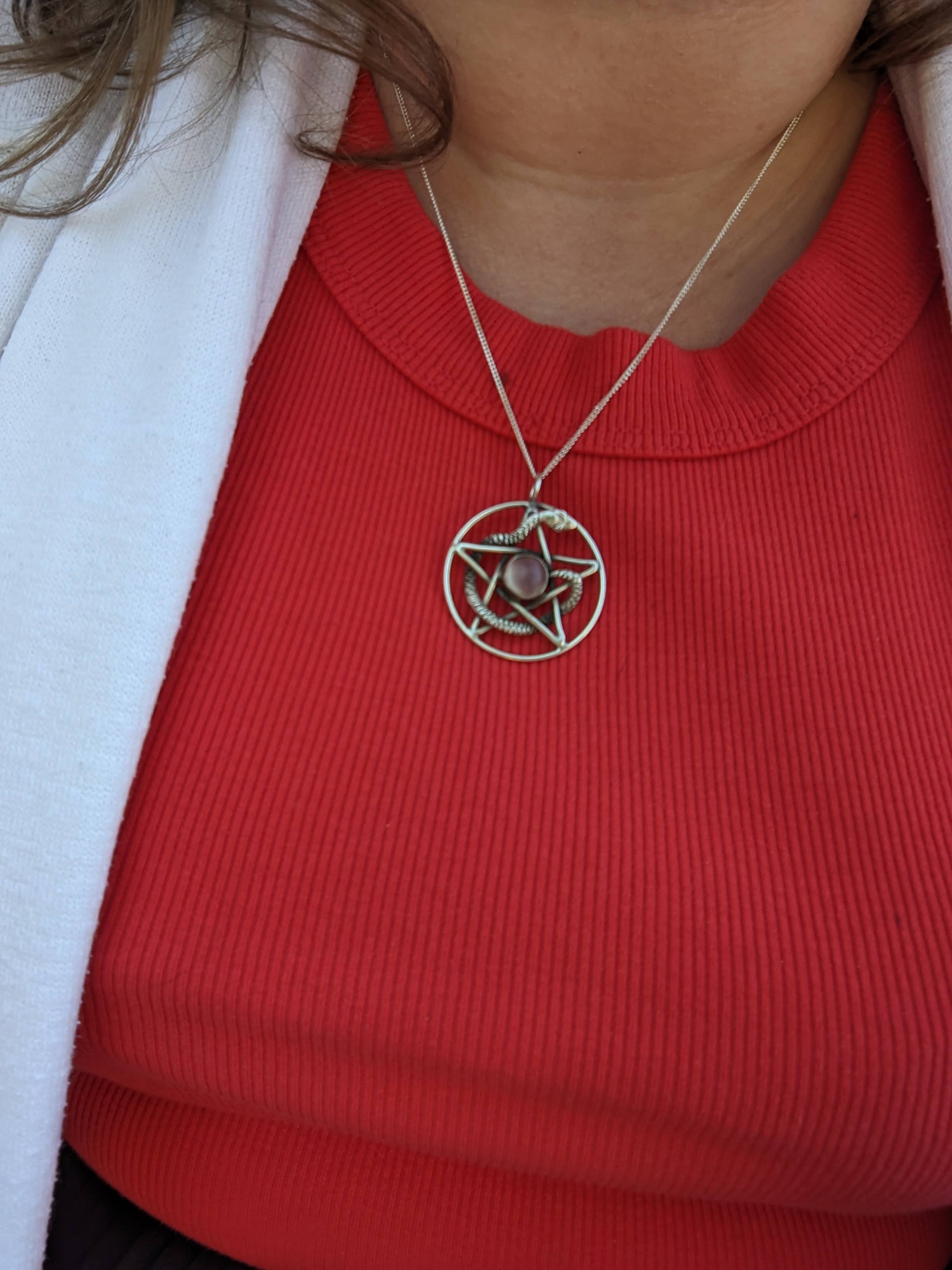

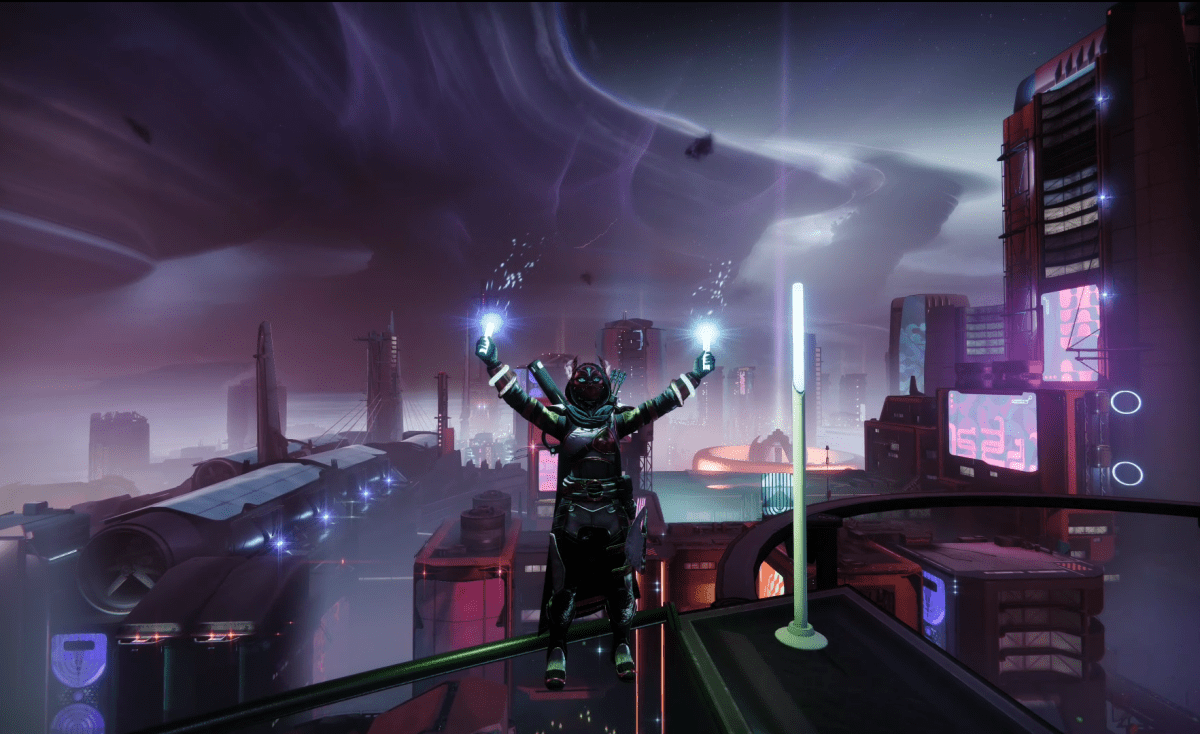


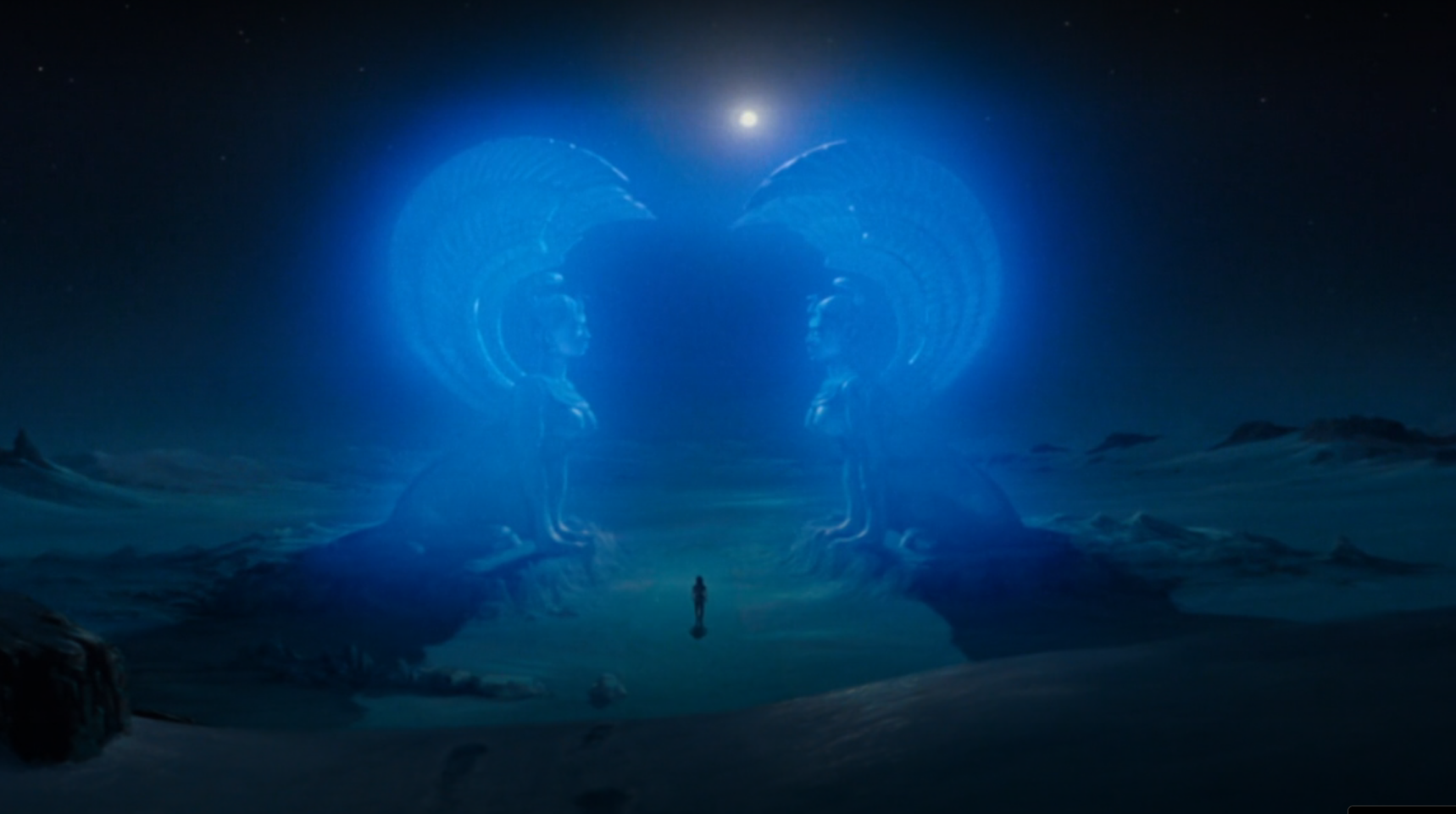

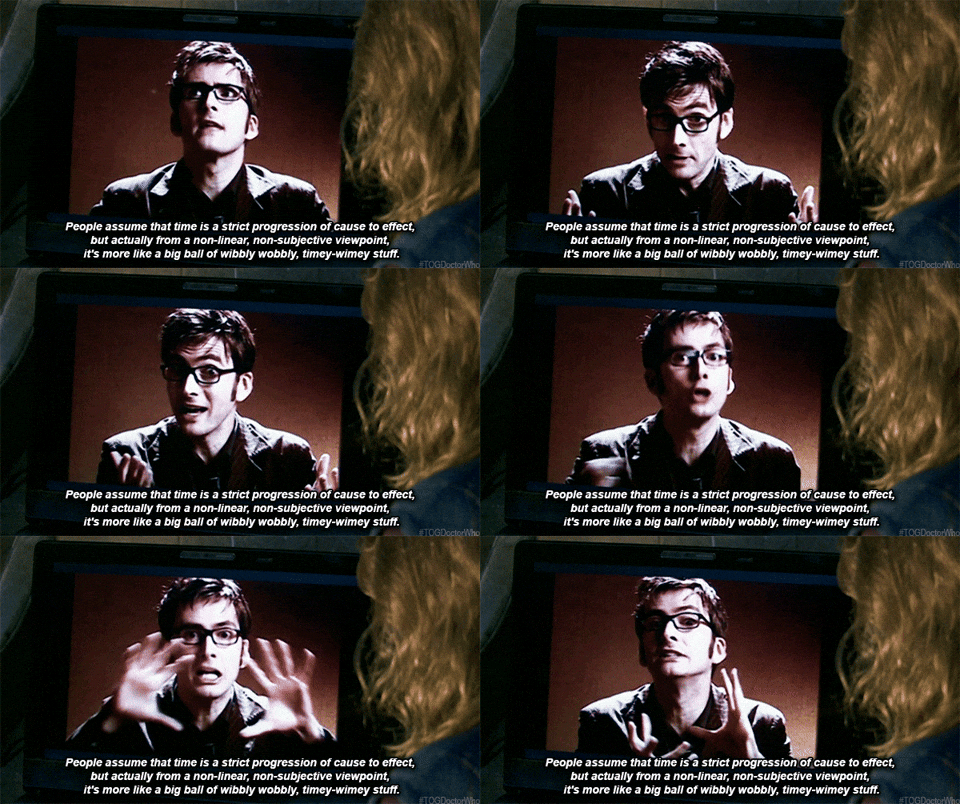
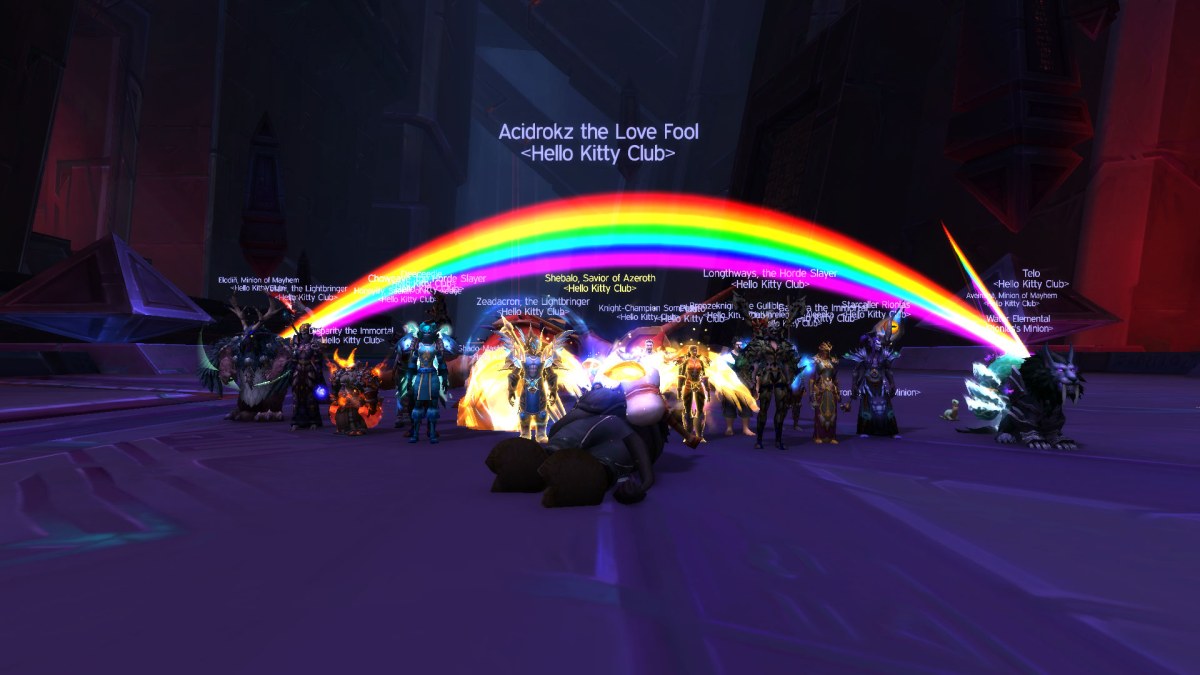
 Then COVID struck. Slowly, then encapsulating the world. With the physical spaces we used to gather no longer being accessible, people fled to the internet to try and make whole the social spaces they were deprived of. The very people who claimed that these spaces were the death of all community are now struggling to try to figure out how to use the internet as the vast saviour of all things social.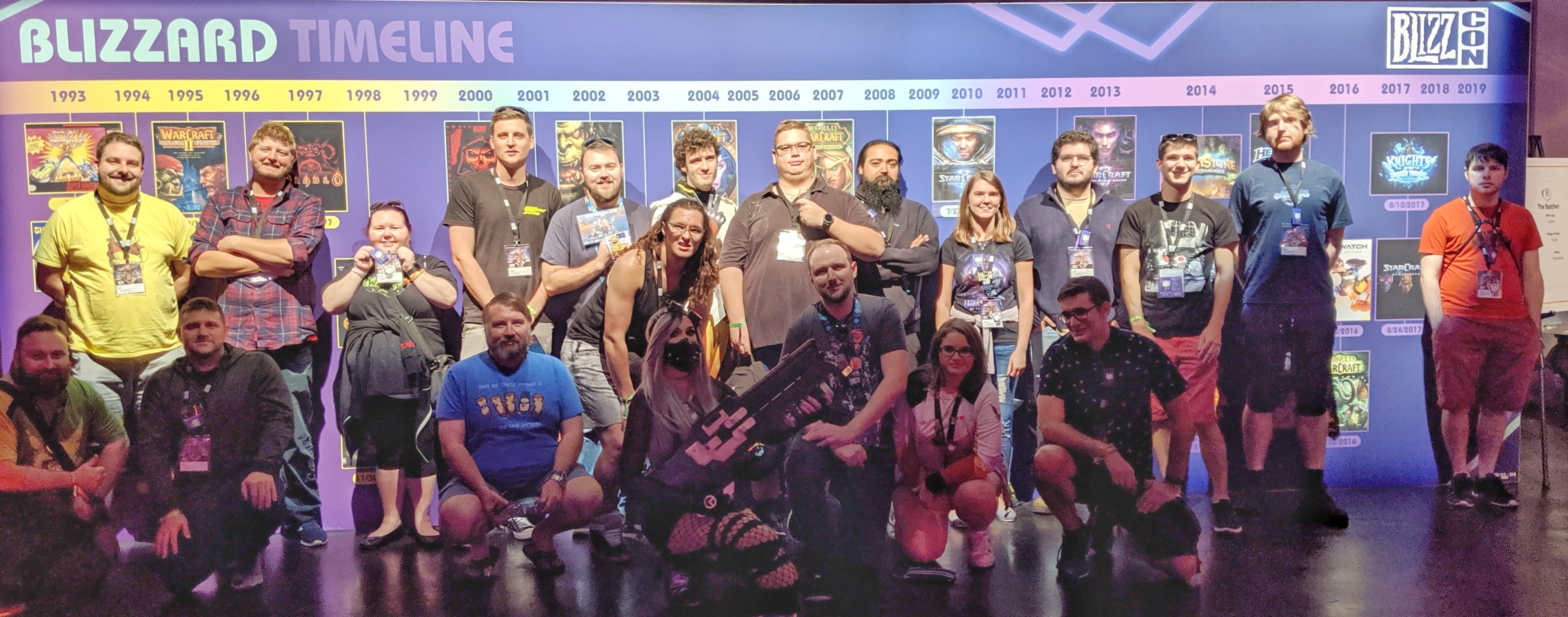

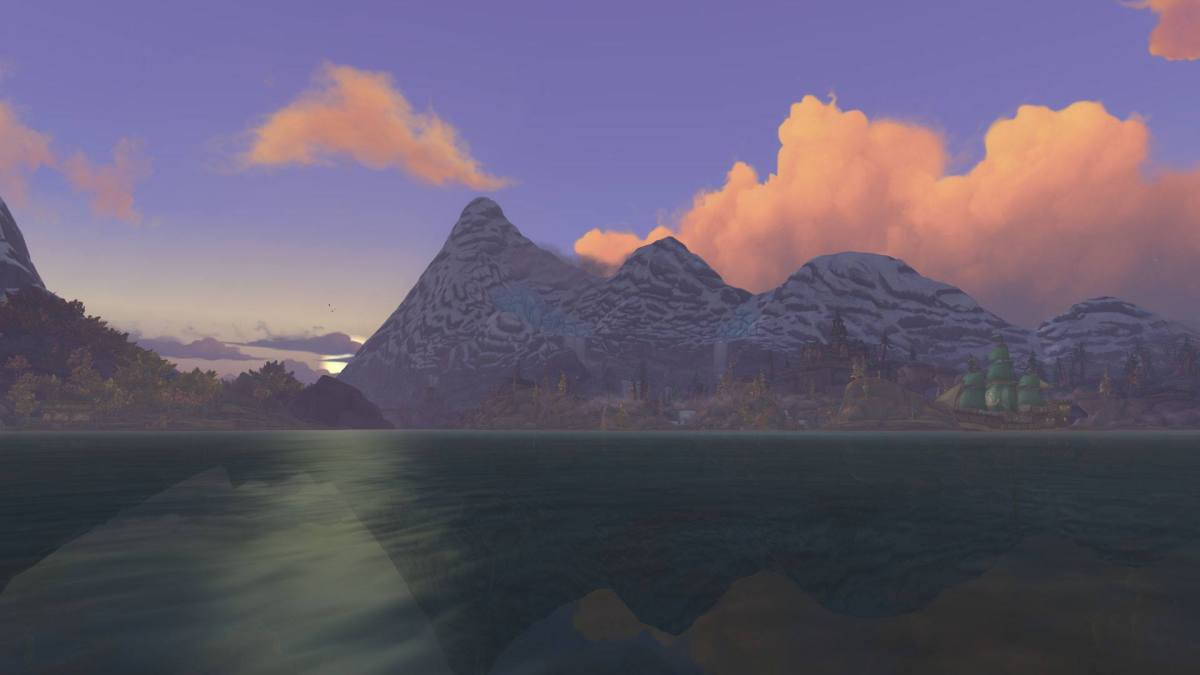

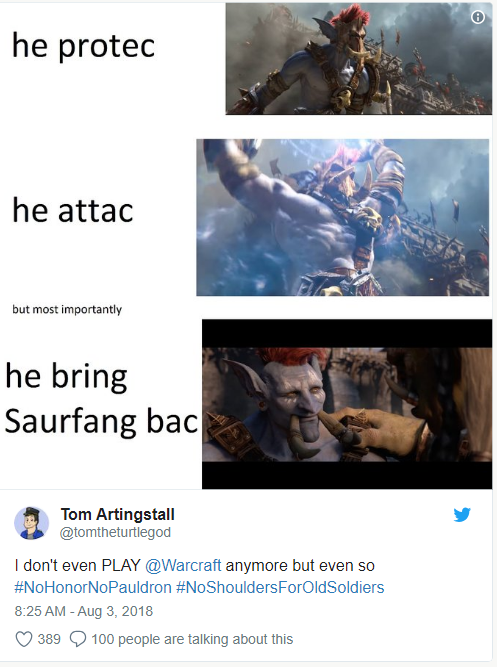
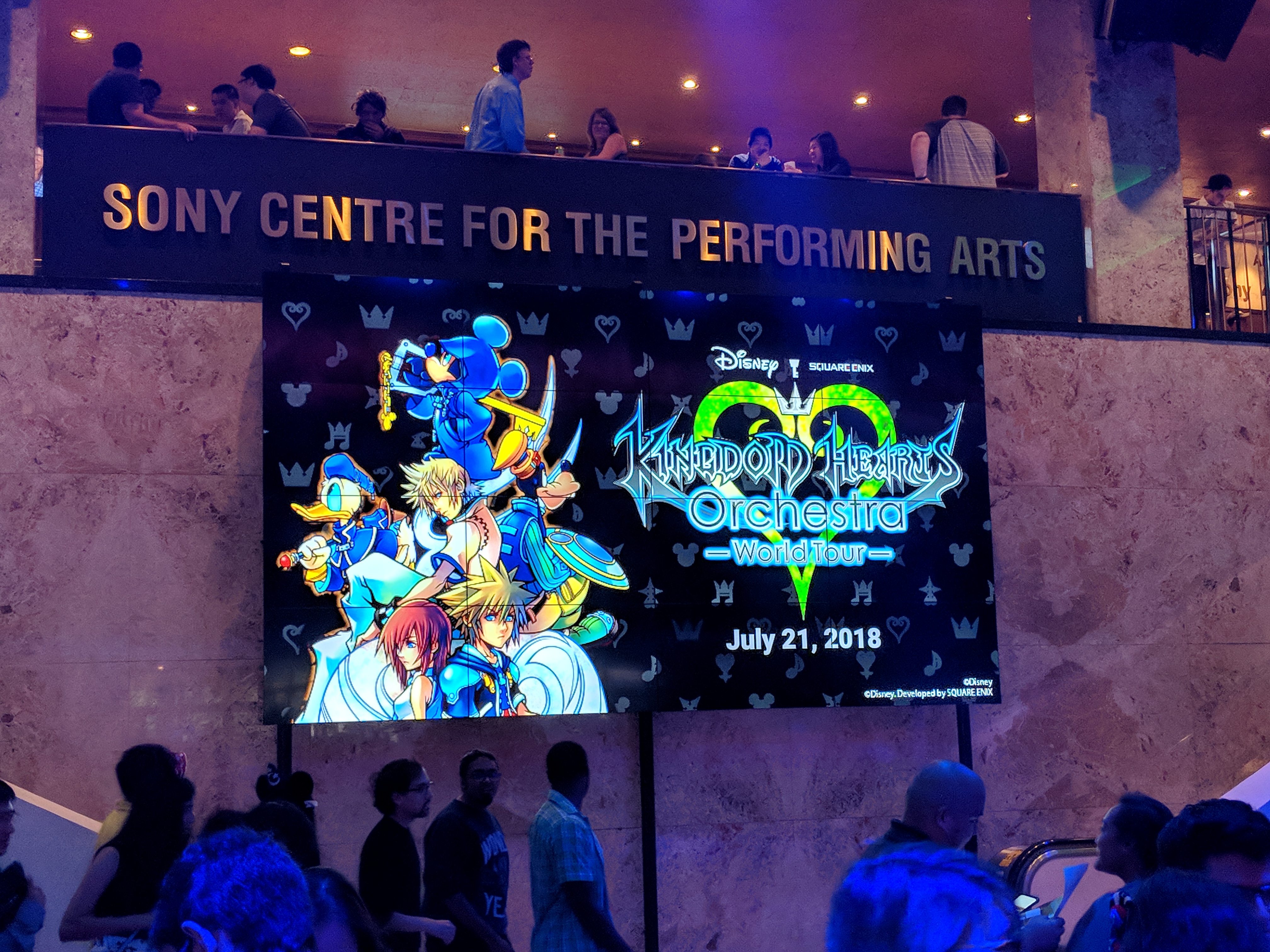
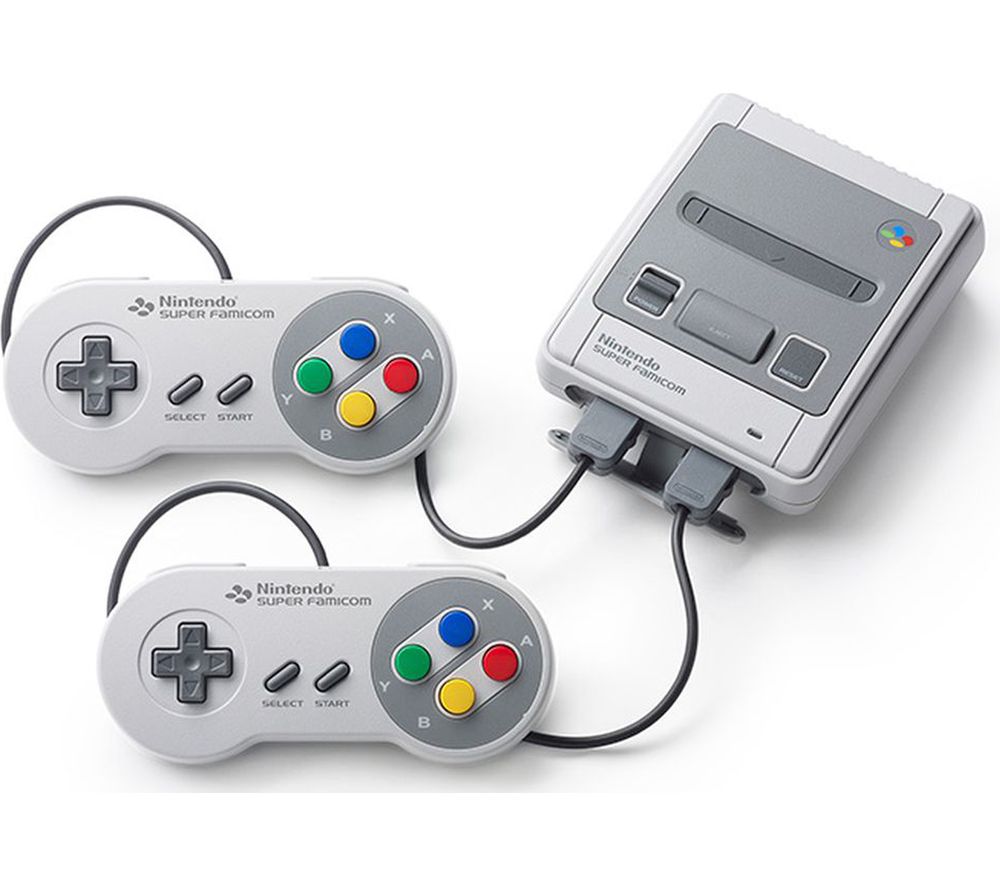
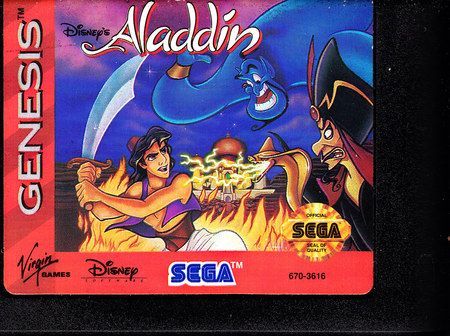
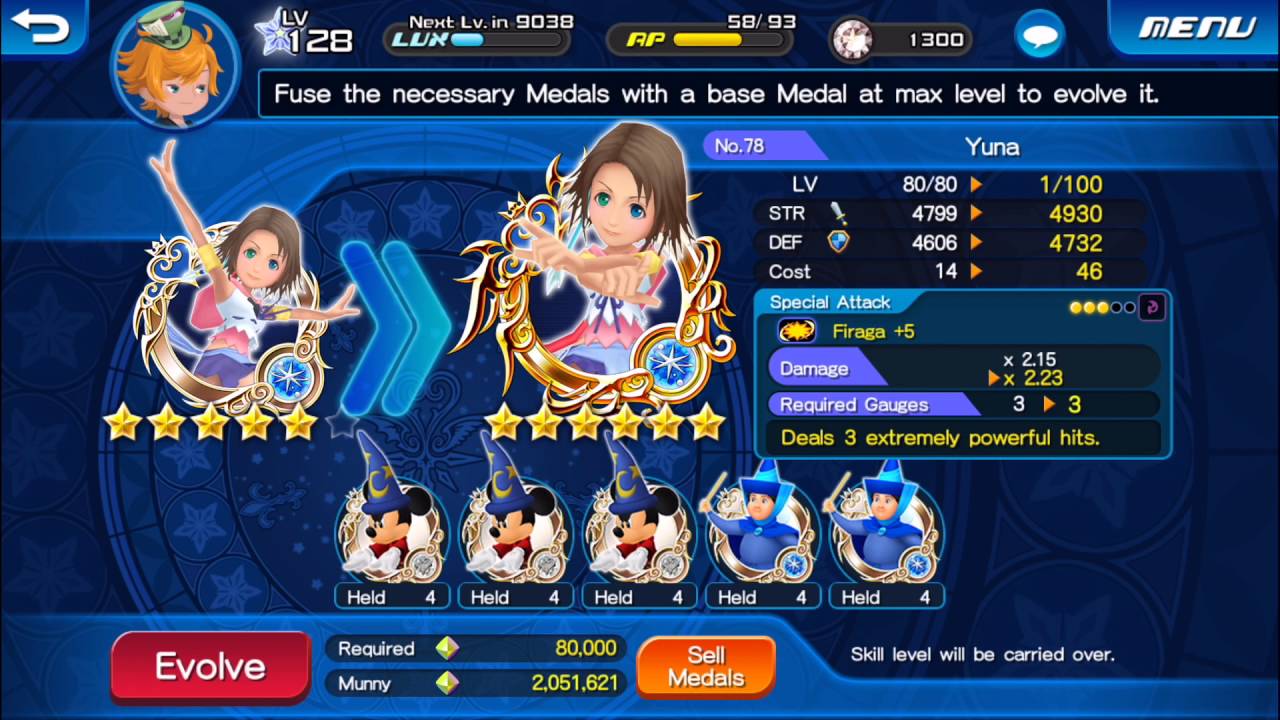

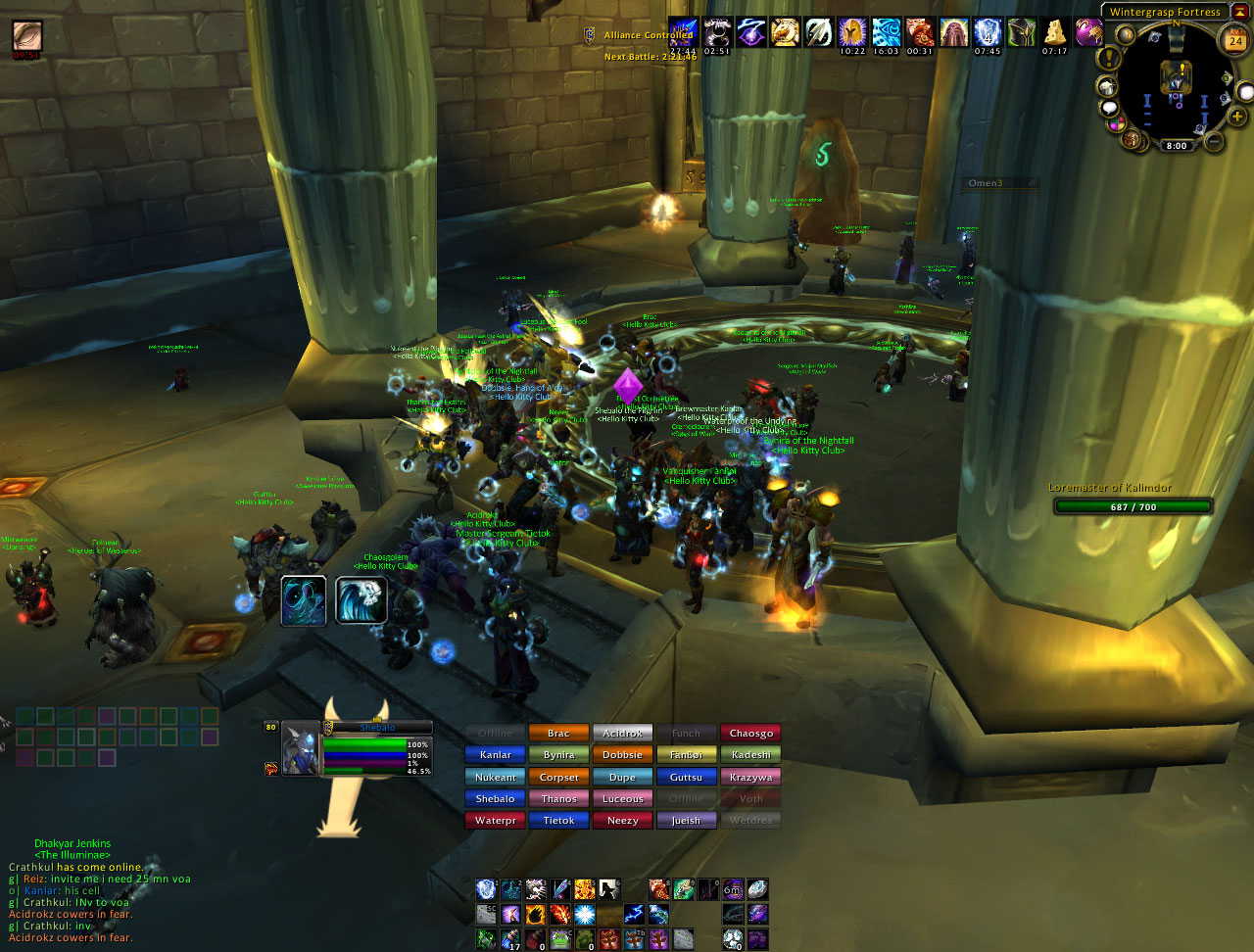
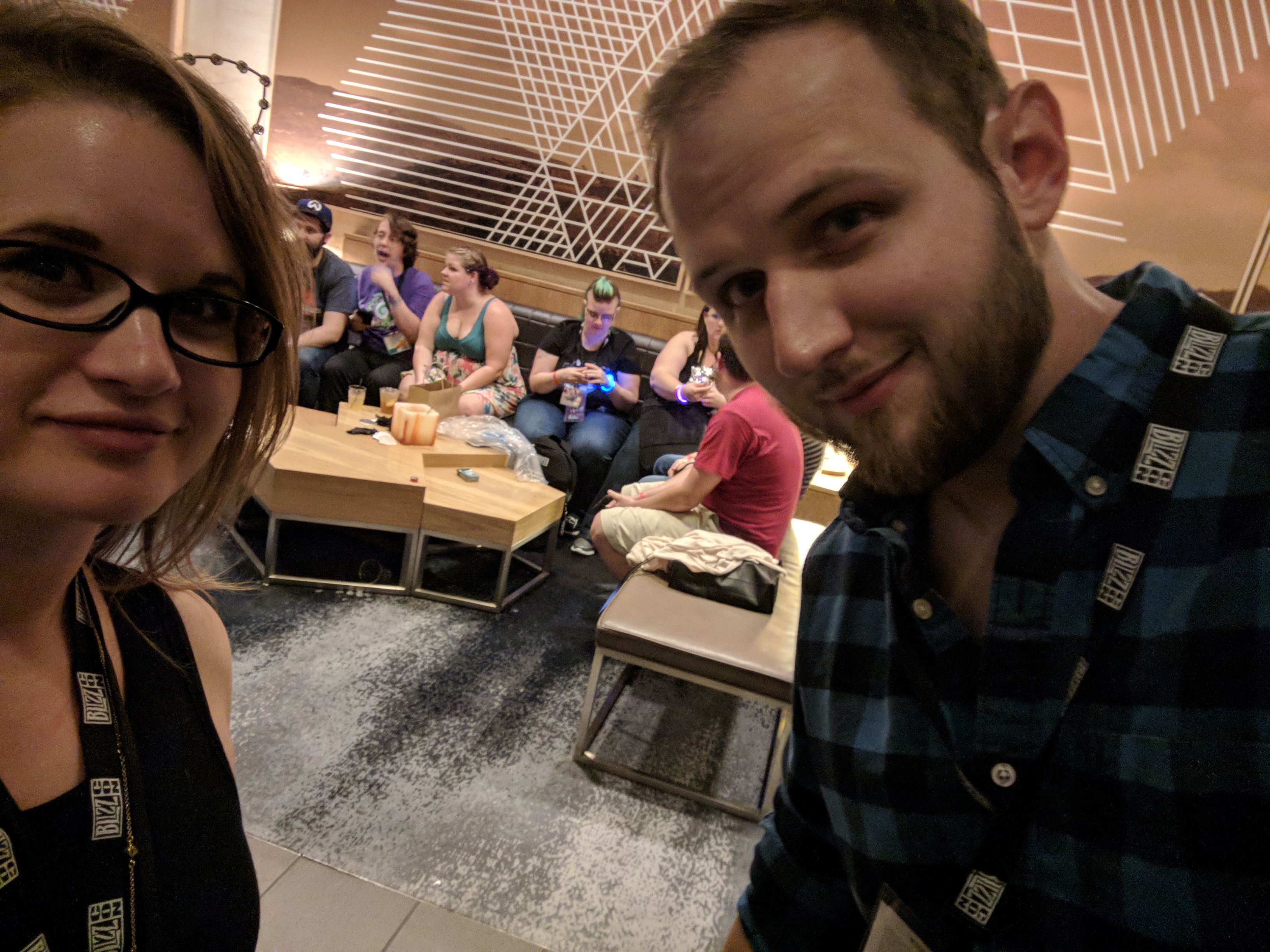
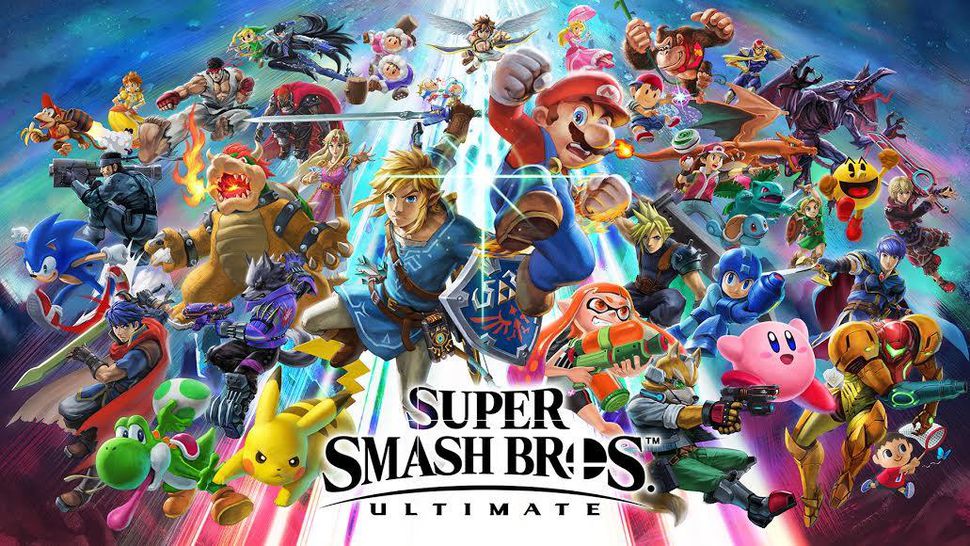
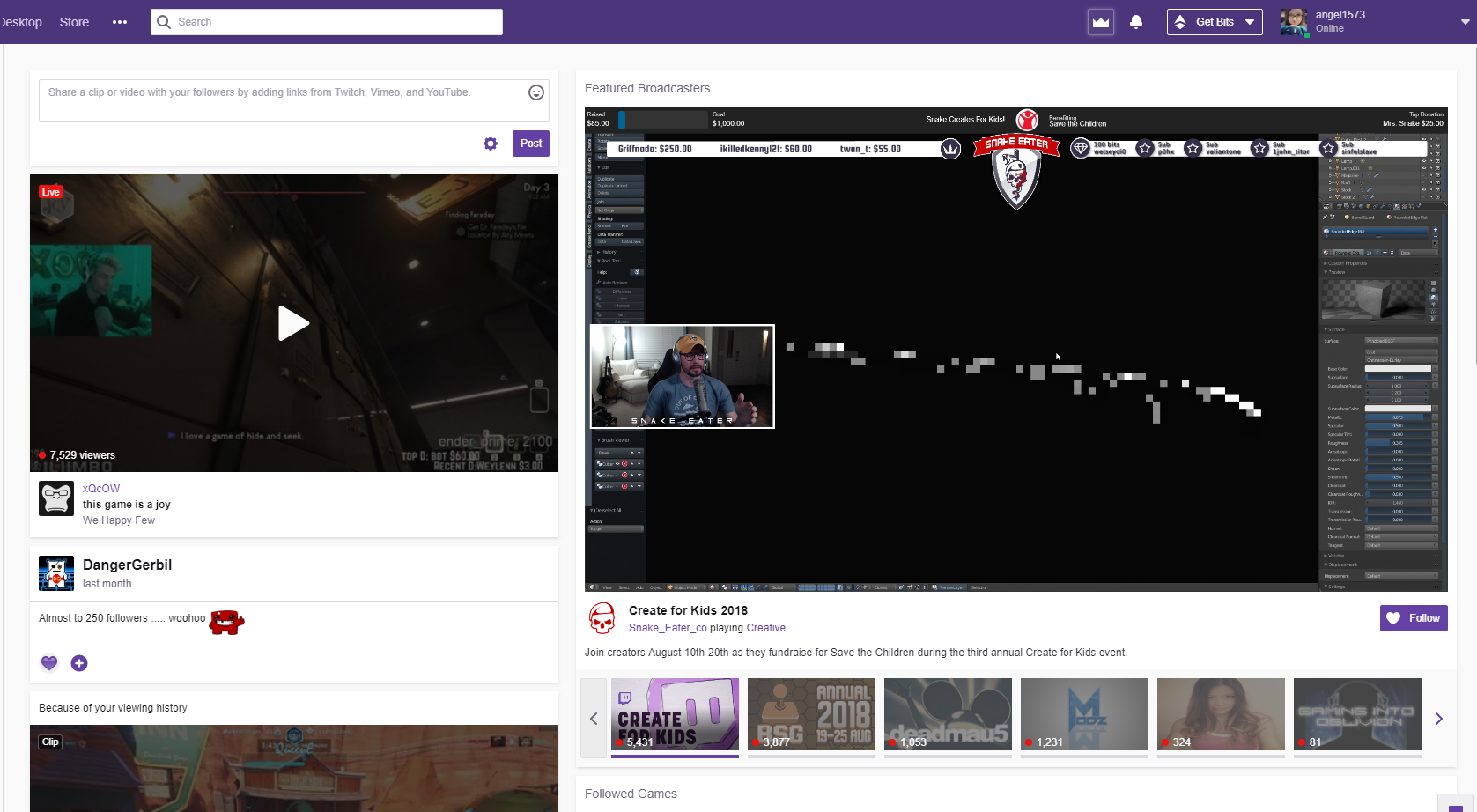

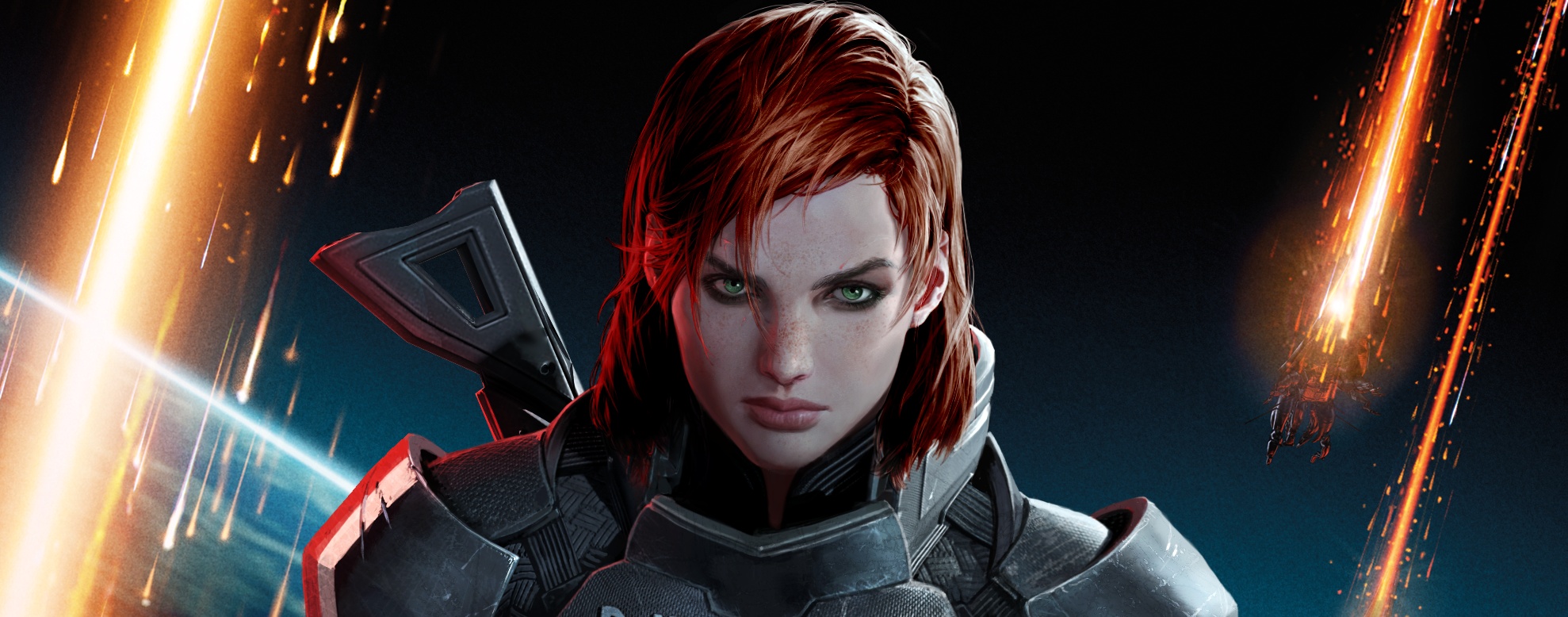
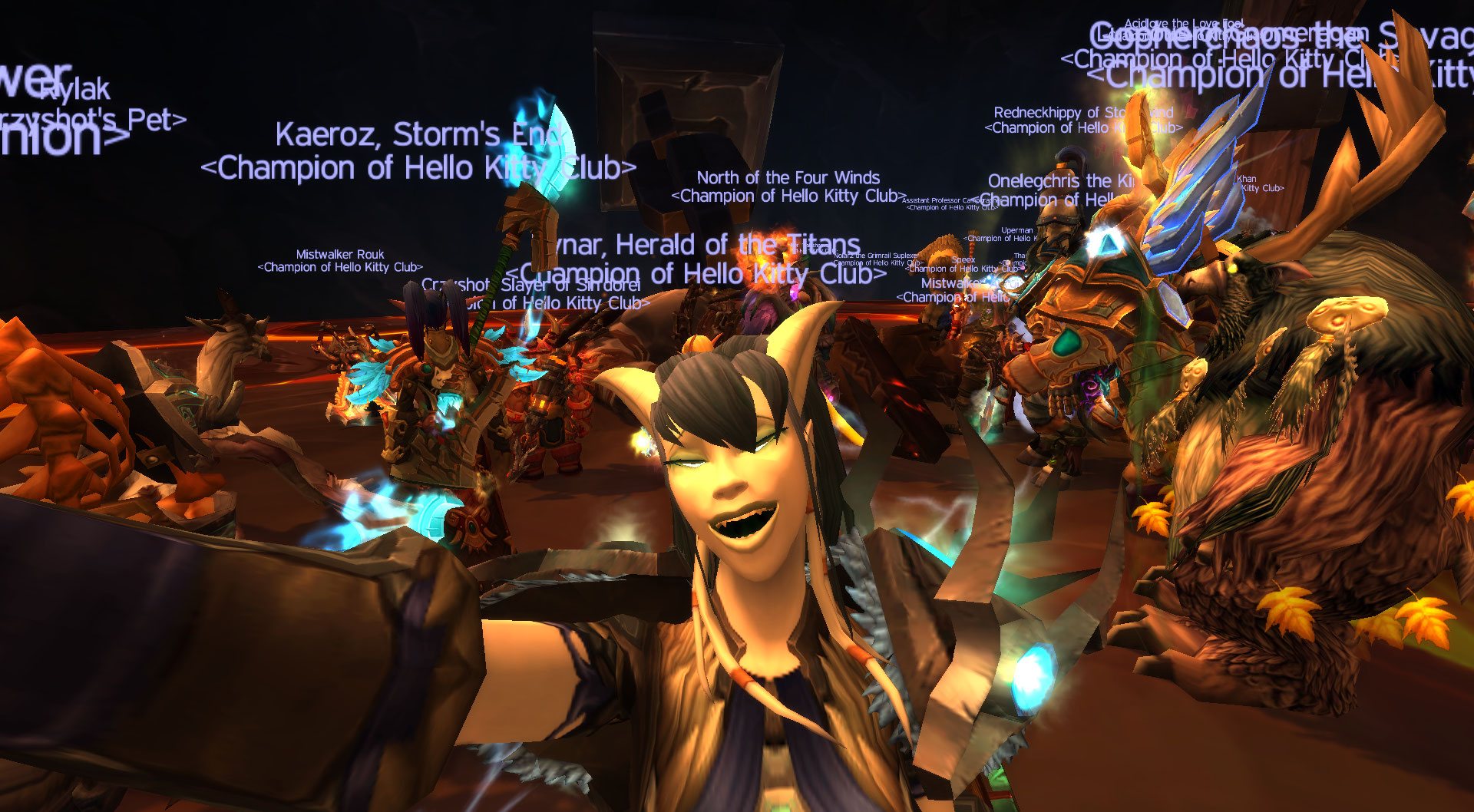

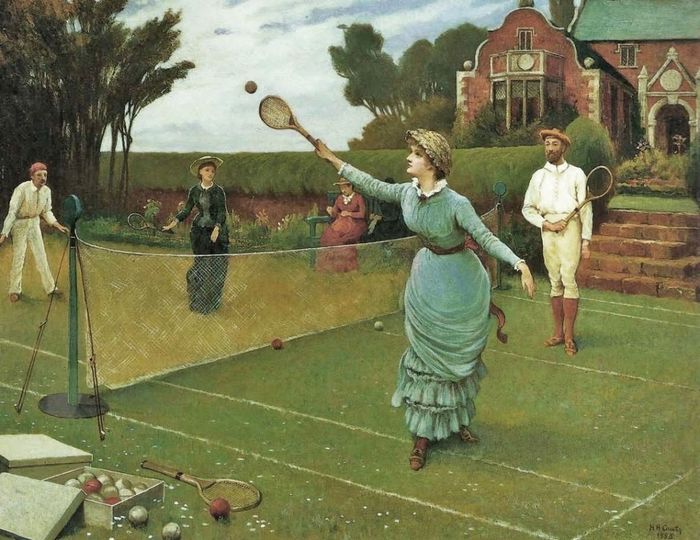

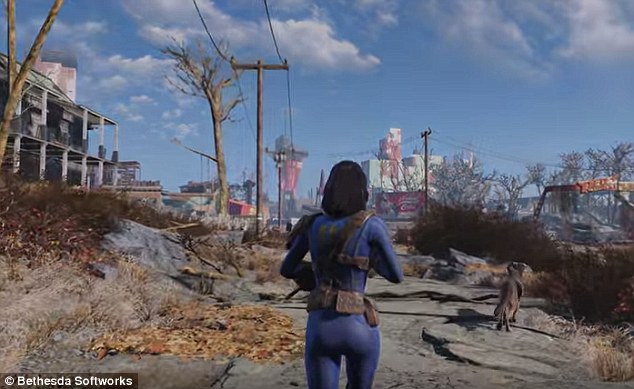
 My Life, or Something Like It